
Minimalism isn’t just about owning less — it’s about buying with intention.
If you’re on a minimalist journey, one of the biggest mindset shifts is learning what not to buy. In a world that constantly pushes upgrades, trends and impulse purchases, choosing to stop buying certain things can feel surprisingly radical.
A minimalist lifestyle goes far beyond decluttering physical belongings. It often extends into your finances, digital life, routines, mental space and even the way you consume information. And at the heart of all of it is a simple question: Does this add genuine value to my life?
Invest in long-lasting quality, rather than short-lived quantity.
Modern consumer culture thrives on the idea that more equals better — more convenience, more success, more happiness. Yet for many people, the constant pursuit of “more” leads to overwhelm, clutter and dissatisfaction rather than fulfilment.
Minimalism offers an alternative. By intentionally paring back what you buy, you create space for clarity, gratitude and contentment — while often saving money and reducing waste along the way. This is also where minimalism and zero waste naturally overlap: consuming less tends to benefit both your home and the planet.
Below, you’ll find 51 things to stop buying as you embrace minimalism, along with ideas to help you make more thoughtful, long-lasting choices instead.
💡 This post may contain affiliate links (including eBay and Amazon Associates). If you buy through them, I may earn a small commission at no extra cost to you. I only recommend things I trust.
How to Stop Buying Things
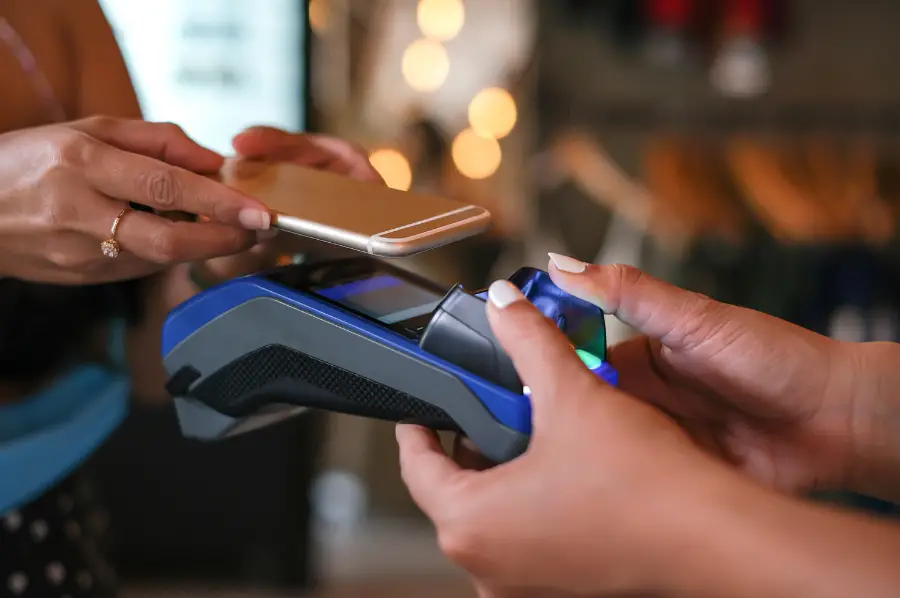
First up, it’s all well and good to talk about things to stop buying on the minimalist journey, but how does one simply stop buying stuff?
I think it’s important to look at why we are making the purchases in the first place, so that we can then start to understand a bit more about our spending habits.
Here are some general reasons why people find themselves accumulating more things.
Reasons We Impulse Buy:
- Like the ‘rush’ of the purchase
- Want to impress other people
- Feel like those things will somehow improve your life
- Get swept up in advertising and sales tactics
- Boredom
- Discontentment (trying to fill a void)
- FOMO (fear of missing out)
Ultimately, zoning in on our biggest fears and insecurities is big business in the marketing world and they’ve got it down to a fine art.
Identifying the triggers within yourself (which cause you to accumulate and purchase more things that you don’t need) is your ticket to freedom.
So, before you make any more purchases in the future, run through the following considerations and questions with yourself first.
I recommend walking away from the purchase for 10 minutes and really analysing it from all angles before whipping out your debit card.
| HOW TO STOP BUYING THINGS |
|---|
| Before making a purchase, ask yourself: 1. Do I need it? 2. Do I truly want it? 3. Where will I put it/ use it? 4. Can I afford it (will it negatively affect my finances)? 5. Am I buying it for my own benefit, or to impress others? 6. Will it add value to my life? 7. Will I have buyer’s remorse? 8. Is there something else I’d rather put the money towards? |
If you’ve gone through all of the questions and still feel good about buying the item, then go right ahead.

Reasons to go Minimalist
So, why bother going minimalist in the first place? It sounds like a life of scarcity and constraint!
That couldn’t be any further from the truth.
Minimalism is centred around living a simple life, filled with intention.
No more do you have to feel overwhelmed with clutter and being surrounded by too much ‘stuff.’ Your finances will be much more on track as you become a conscious spender and choose where your money flows. You won’t have to waste so much time on cleaning and maintenance.
And that’s just the beginning.
Benefits of a More Minimalist Lifestyle:
- Reduces clutter
- Increases positive energy flow around your spaces
- Decreases cleaning, maintenance & storage of items
- Reduces waste
- Frees up your finances
- Supports conscious spending
- Increases happiness
Righto, let’s get on to the list of things to stop buying for minimalism.
Things to Stop Buying for a Minimalist Lifestyle
Low-Quality & Impulse Purchases
Buying cheap, impulse or “just because” items often leads to wasted money, clutter and regret rather than long-term value.

Cheap Quality
One of the big things to stop buying for minimalism is cheap-quality items. They’re crap, they break, they’re disappointing and just plain wasteful. Not just in terms of money, but in the resources they take to produce, transport and dispose of.
‘Can’t Afford’ Items
Next in the list of things to stop buying for minimalism are the things that you simply cannot afford. Not only will your wallet thank you, but so will your house.
No longer will you find yourself with extra things to try and store, and no longer will you feel guilty for overspending.
‘Already Own’ Items
I mean, you’d think this would go without saying, but it’s amazing how often people purchase more of what they’ve already got.
Keeping all of your belongings organised and categorised is not only easier when you own less, but it’ll help you to use what you’ve already got before buying new.
‘Borrow’ Items
If you need the use of an item, instead of buying it (then having to store it), see if you can borrow the item.
Your dad might have a hedge-trimmer he could lend you, or maybe your neighbour has a printer that you could use, instead of buying one for yourself.
‘Free’ Items
You’d be amazed at how much stuff is advertised for FREE that people just want to get rid of.
When I was pregnant with my second child, I was on the lookout for a single bed so that the cot would be freed up. I ended up finding a nice, timber one on Gumtree, which my son used for quite a few years.
If you’re looking for something in particular, have a look around and see if you can pick it up for free.
Check out Gumtree, Facebook Marketplace, Craigslist, and local online groups.
| 🌿 READ: Here’s How I Get FREE Plants → |
Fast Fashion & Clothing Excess
Constantly buying new clothes and trends creates wardrobe overwhelm and rarely leads to outfits you truly love or wear long-term.
New Clothes
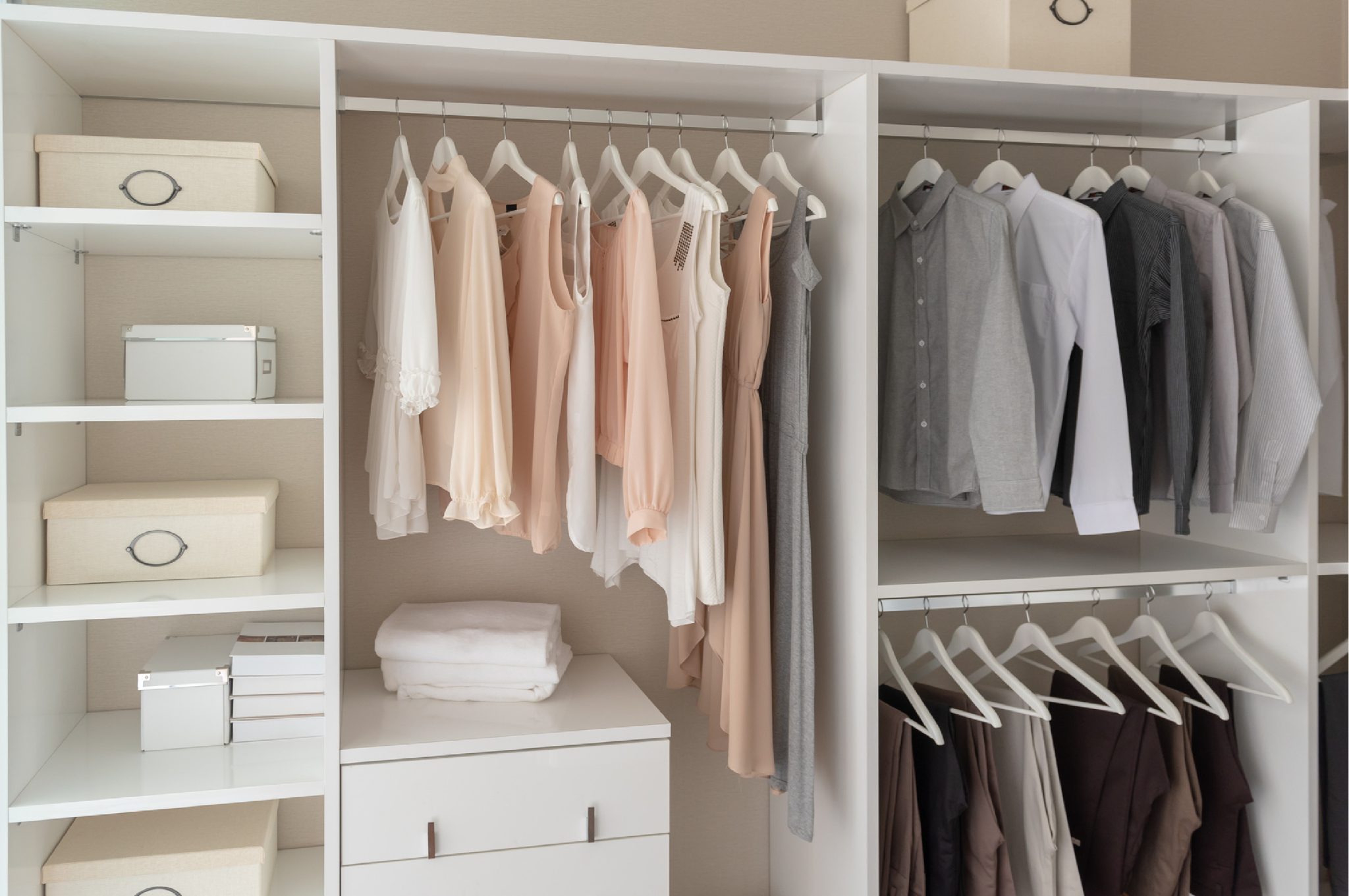
Now, I’m not saying don’t ever buy new clothes again. However, I do recommend heading to the thrift stores and online second-hand market first. Particularly if you’re after a superior quality item, which you can often pick up cheaper pre-loved.
I find that when buying clothes new in shopping centre stores, we tend to be more likely to fall for marketing ploys (pumping music, big red SALE signs, etc.).
While shopping second hand, you really have to rifle through to find something that is the right size, style and colour for you – the experience tends to be much more mindful.
I mean, where’s the challenge in seeing a rack full of identical clothes, where you just have to grab your size? Meh.
Fashion Trends
Following on from the above point…
If you spend all of your time trying to keep up with fashion trends, you’ll burn through your money like that’s going out of fashion too!
Plus, high-trend items end up wasted because no one wants to use them 12 months down the track. Find your own style and buy quality items that will last you for years to come.
Single Occasion Outfits
I’ve never understood the act of going shopping to find an outfit for one single night, whether it be a night on the town or a wedding (unless you’re in the bridal party, of course).
With a well-planned capsule wardrobe containing quality and versatile items, you should pretty much always be able to find something to wear.
If I am on the lookout for something in particular, I’ll wander the thrift stores until I find something that suits me. Then, even if it is a dress that I’ll never wear again, it didn’t cost too much, and I can donate it back once I’m done.
| 🌿 READ: Build a Capsule Wardrobe → |
Convenience Foods & Disposable Drinks
Regularly paying for takeaway food and drinks adds up quickly and often replaces simpler, more satisfying habits at home.

Excessive Takeout
Takeout is a total treat for me, and I enjoy it all the more because of that.
I always cook dinner at home and always make sure to have a ‘junky’ option on hand if I feel like a lazy Friday night. Homemade nachos and a Netflix movie are a far better option than spending $20 on one takeaway pizza.
Bottled Water
Seriously, bottled water is more expensive than fuel; it’s ridiculous!
Not only are the bottles atrocious for the planet, but you’re paying a premium for potential bottled tap water (cos who knows where that particular water really comes from?).
I’d much rather fill up my insulated bottle at home with my fluoride and chemical-free water from the fridge, plus it’ll stay cold all day.
Takeaway Coffee
I’m not saying that I never treat myself to a good chai when I’m out, but the point is, it’s a treat.
I make all of my teas and coffees at home. If I’m heading out and want a coffee, I’ll make it in my BYO cup and take it with me, unless I’m actually stopping to have coffee with a friend.
Disposable Kitchen & Food Storage Items
Single-use kitchen items create unnecessary waste when reusable alternatives work just as well, if not better.
Cling Wrap & Baking Paper
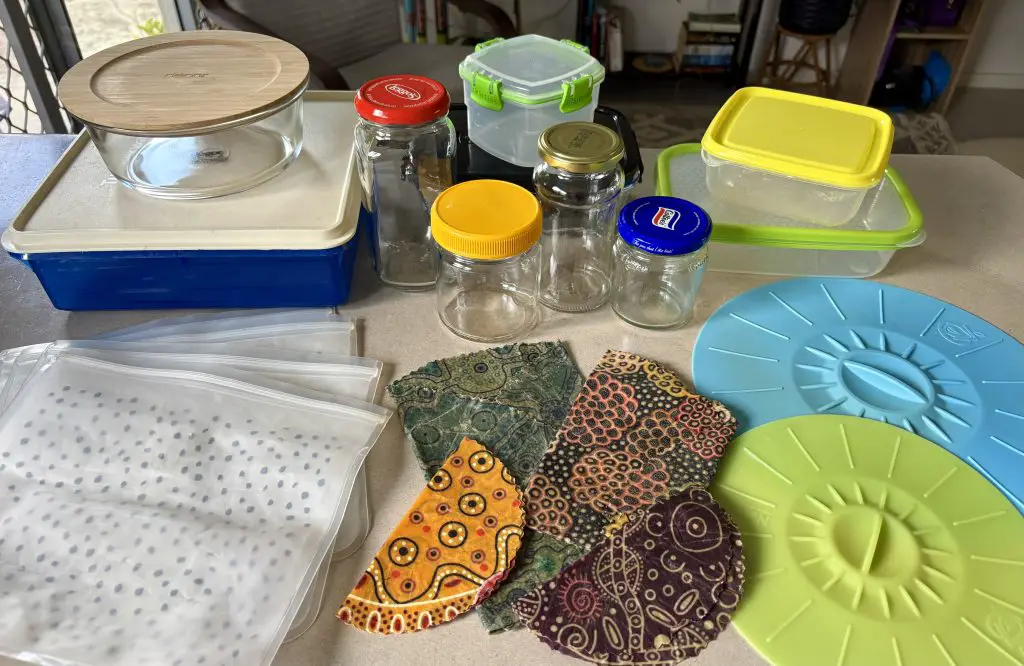
Instead of using disposable plastic (cling wrap) to cover and wrap food, use beeswax wraps, containers, jars and silicone food covers.
Instead of baking paper, use a silicone baking mat or reuse your butter wrappers.
| 🌿 READ: Zero Waste Baking → |
Sandwich Bags

Rather than using disposable ziplock bags for sandwiches and snacks, get yourself some reusable snack bags, pouches or use little containers.
Excess Beauty, Grooming & Personal Care Products
Overbuying beauty and personal care products often results in half-used items expiring before they’re ever finished.
Excess Make-up
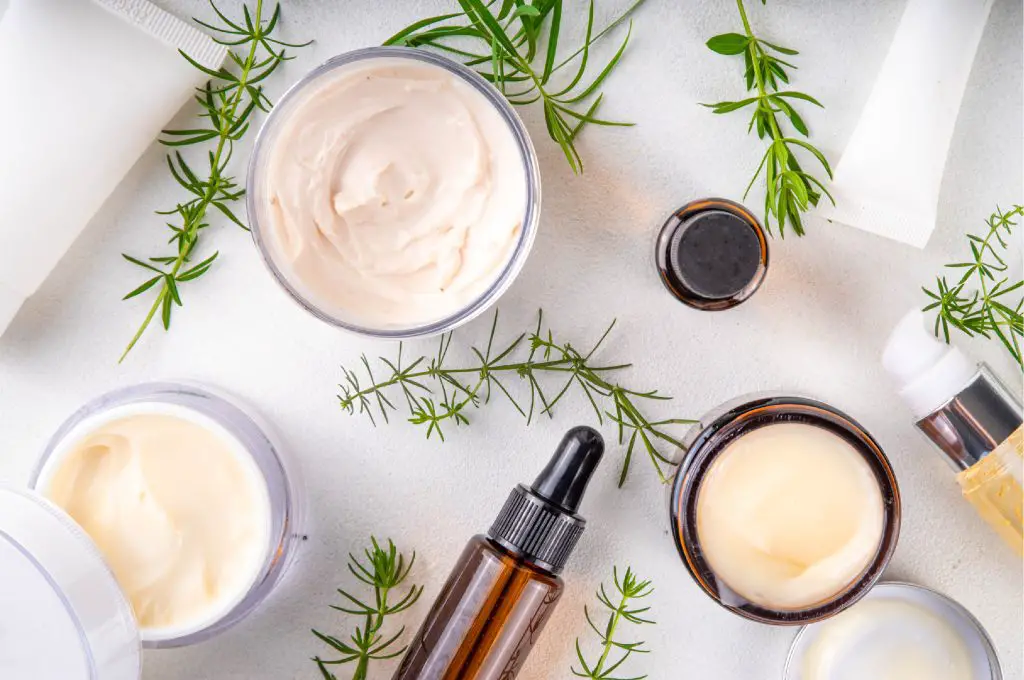
Once you find the brands and styles of makeup that work for you, stick to them. I know it’s tempting to walk past those sale bins filled with pretty bottles, but really, do you need them?
In fact, there’s even a trend going around called ‘skinimalism.’ Have you heard of it?
It’s all based around moving away from 10-step beauty routines and minimising what goes on your face. Sounds good to me!
Hair Removal Products
Nope, I haven’t gone all hairy hippy, although that is another option if you so choose. I’m now halfway through the process of monthly laser hair removal appointments, effectively removing my unwanted hair forever!
Granted, I do have a pack of razors left, because I need to shave before each appointment, but that’s thankfully now a short-lived task.
As for eyebrows, tweeze them yourself to save on eyebrow appointments and costs.
| 🌿 READ: 5 Eco Hair Removal Methods → |
Makeup Remover
Makeup removal products are another one of the things to stop buying when you’re on the minimalism journey.
A damp face washer or reusable makeup pads will do just as good a job (if not better) at removing makeup as any chemical concoction.
Disposable Wipes
This goes for baby wipes, cleaning wipes, make-up wipes… ditch the lot of them.
A damp face washer works just as well for personal use, and reusable cleaning cloths are much better than thin, disposable cleaning wipes.
The world existed just fine before the invention of disposable wipes, and the landfill piles were significantly smaller.
| 🌿 READ: 10 Eco Baby Tips → |
Cotton Tips, Balls & Rounds
Cotton tips, balls and rounds are all completely redundant disposable products once replaced with a few nifty reusable items.
Replace cotton tips with stainless steel ear picks. Replace balls and rounds with a damp face washer. Easy as.

Face & Body Scrubs
For a nice face and body scrub, you can make your own by mixing a tablespoon of sugar with a teaspoon of honey or olive oil. There are many other great, simple recipes online if you want to experiment and find the best one for yourself.
Deodorant

I’ve been making my own deodorant for years and as someone who sweats, it works far better for me than any store-bought chemical concoction ever did.
DIY Deodorant Recipe:
- 2 tsp bicarb soda
- 2 tsp arrowroot flour
- Liquid coconut oil
- 3 – 5 drops essential oil (optional)
Mix the powders together and add in small amounts of liquid coconut oil until you achieve a nice ‘paste.’ Add a few drops of essential oil for a nice scent.
Store in a cute little jar.
| 🌿 READ: DIY Deodorant Recipe → |
Miracle Creams & Cosmetics
There’s no need to have multiple skin routine products, anti-aging creams and so on (do they even work?).
A simple moisturiser will do, and a damp face washer to remove makeup and clean your face. If you find a cleanser that works well for you, stick to it and avoid buying into more wonder products that only serve to empty your wallet.
High-Maintenance Beauty Services
Frequent beauty services can quietly drain time and money without adding lasting value to everyday life.
Salon Hair Dye
Granted, some hair types and colours need to be done in a salon (I’m definitely not confident to go blonde at home!). But if you go for darker shades, a box or two of hair dye at home will only cost you $7–$20 instead of $50 upwards.
Manicures & Pedicures
Manicures and pedicures are expensive, especially if you get them on the regular. Plus, it’s just more appointments that you need to fit into the busy schedule.

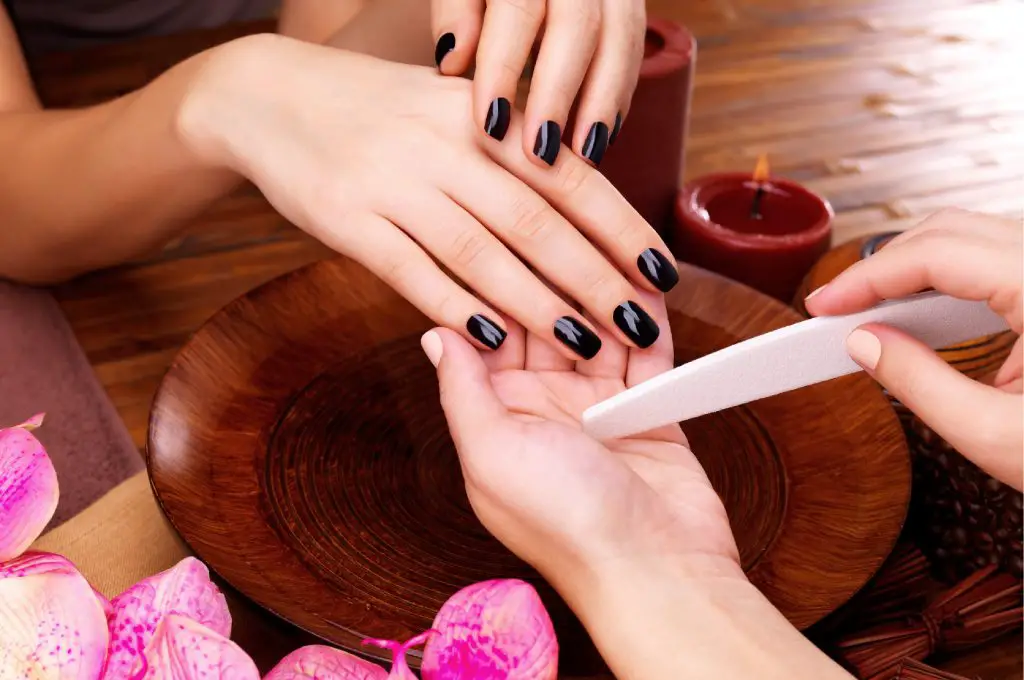
Have a couple of nail polishes on hand that complement your skin tone and wardrobe colours. Paint your own nails at home and treat your feet by smoothing them with a pedi egg or pumice stone, followed by a nice moisturiser.
Spending this time on yourself is a great way to add self-care to your routine.
| 🌿 READ: 100 Self-Care Tips → |
Disposable & Plastic Household Products
Many everyday household products are designed for convenience rather than longevity, leading to constant replacement and clutter.

Cleaning Products
You really don’t need a separate cleaning product for each surface in the house. That’s all just part of the ‘use more, buy more’ culture.
A set of good microfibre cleaning cloths will serve many of your cleaning needs. The Norwex ones are great because they contain silver, which is a natural anti-bacterial agent.
For things that need a bit of extra oomph, vinegar and bicarb soda will do the trick.
Air Freshener
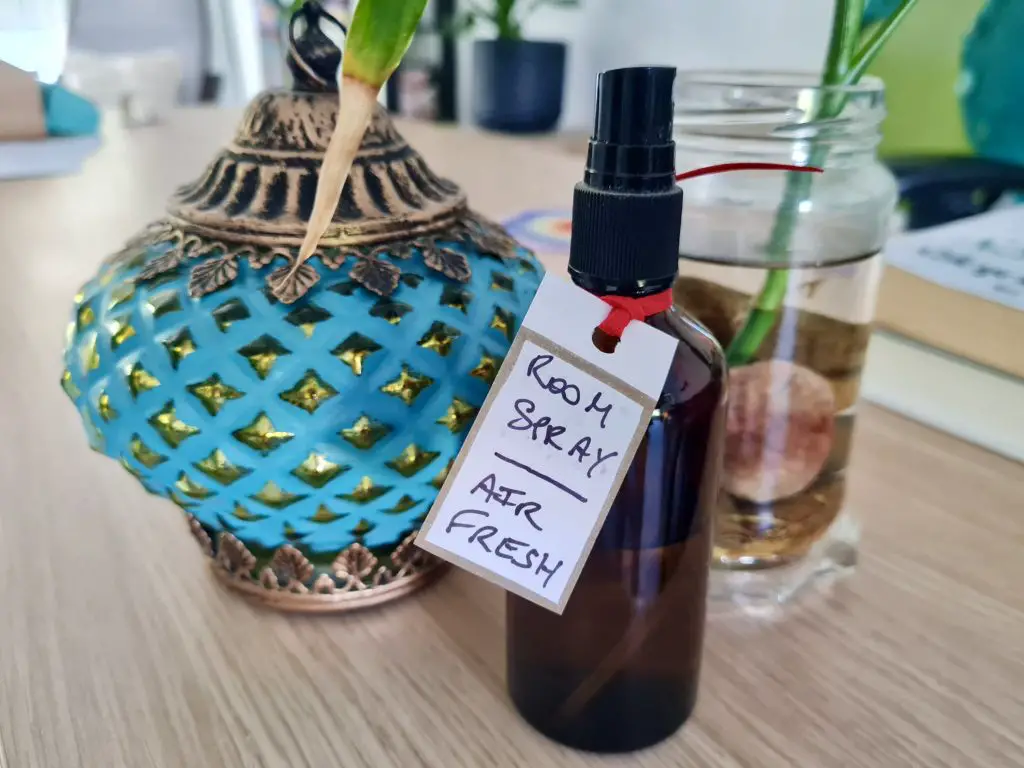
Rather than buying plastic bottle chemical-infused air fresheners, you can make your own simple one at home.
All you need is a little spray bottle – if you need to buy one, go for glass.
Fill it almost to the top with water, then add in about 10–40 drops of your favourite essential oils.
As for the plug-in room sprays, ditch them. They’re filled with synthetic toxins, which aren’t good for you or your household. Instead, burn a natural incense stick, natural scented candle or natural melt.
| 🌿 READ: 22 Frugal Household Swaps → |
Plastic Household Items
I know, plastic seems to rule the world these days. But when it comes to replacing household items, see if you can buy in a material that’s not plastic.
Opt for stainless steel, glass, bamboo, wood, hemp, or some other recyclable or compostable resource where possible.
Clothes Pegs
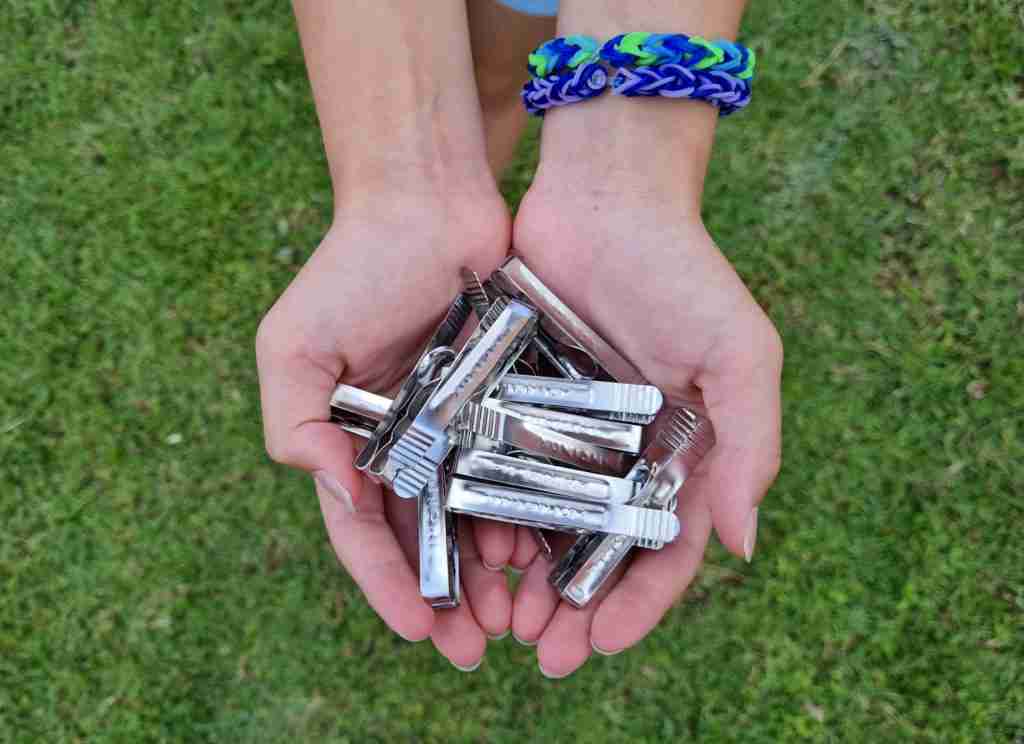
Yep, you heard me right. One of the things to stop buying on a minimalism journey is clothes pegs. Invest in stainless steel Pincinox pegs, and you’ll never need new pegs again!
Each one is made out of a solid piece of stainless steel, making it completely rust-proof and snap-proof. Read the post below for a full review.
| 🌿 READ: Pincinox Pegs (Review) → |
Plastic Clothes Hangers
Quality over quantity is a big aspect when considering things to stop buying for a minimalist lifestyle. Clothes hangers are no exception.
As you need to replace broken, cheap hangers, go for quality wooden hangers. They will display your clothes beautifully and last a heck of a lot longer.
Fabric Softener
Fabric softener is a complete gimmick. All it does is add a synthetic residue layer to your clothing, making them smell ‘pretty’ (if you’re into chemical smells).
That chemical layer actually repels water, making them harder to be washed and cared for to their fullest potential.
If you want a natural fabric softener, add a dash of white vinegar to your washing, which will also clean out your machine at the same time.
Paper Waste & One-Time Use Items

Paper products intended for short-term use tend to pile up quickly and offer little lasting benefit.
Magazines
Magazines are such a waste of resources. How often do you read them after you’ve made it through the first time? Probably never. You can catch magazines online and even borrow magazines from the library.
New Books
As much as it’s great to support the author, paying $20–$30 per print book is a lot. Unless it’s a book or series I know I’ll keep forever, I avoid buying books brand new.
Alternatives to buying brand-new books:
- Libraries
- Audiobooks & eBooks
- Second hand (thrift stores, eBay, marketplace, secondhand bookstores)
Holiday & Greetings Cards
Cards for birthdays and other holidays are such a waste of money and paper resources. All so humans can just quickly glance at it, say “Cool, thanks,” then move on to the gift.
When I do receive cards (yes, my baby boomer Mum will forever insist on cards!), I cut the pretty front off and add it to my recycled gift wrap stash in the cupboard. That way, it can be reused (just write on the back of the picture).
Alternatively, I’ll make my own with whatever materials I’ve got at home already.
Notebooks
When it comes to notebooks for writing shopping lists and odd notes for around the house, use scrap paper instead of buying new notebooks.
Any paper that comes into the house (like notes, letters, pamphlets, and half-used school books) that has a blank page on the back, add it to the scrap paper drawer for notes.
You can even cut a bunch of A4 sheets in half, put them together in a pile and run some glue along one edge. Voila, you’ve got yourself a homemade peel-off notebook!
Plastic Grocery Bags
Plastic bags suck. Invest in some heavy-duty jute grocery bags, which will last you for years to come. A few cotton bags are also useful for fruit and vegetables.
Digital, Financial & Lifestyle Clutter
Unnecessary financial products and digital subscriptions can be just as overwhelming as physical clutter.
Phone Plans
When your old phone needs replacing, buy the newest model that you can afford outright, then stick to a prepaid deal with unlimited calls, data and SMS.
I’m currently on a $23/mth prepaid Aldi deal, and with the wifi at home, I literally never run out of data.
Credit Cards
One of my most favourite self-quotes is…
“If you don’t have the money, don’t spend it!”
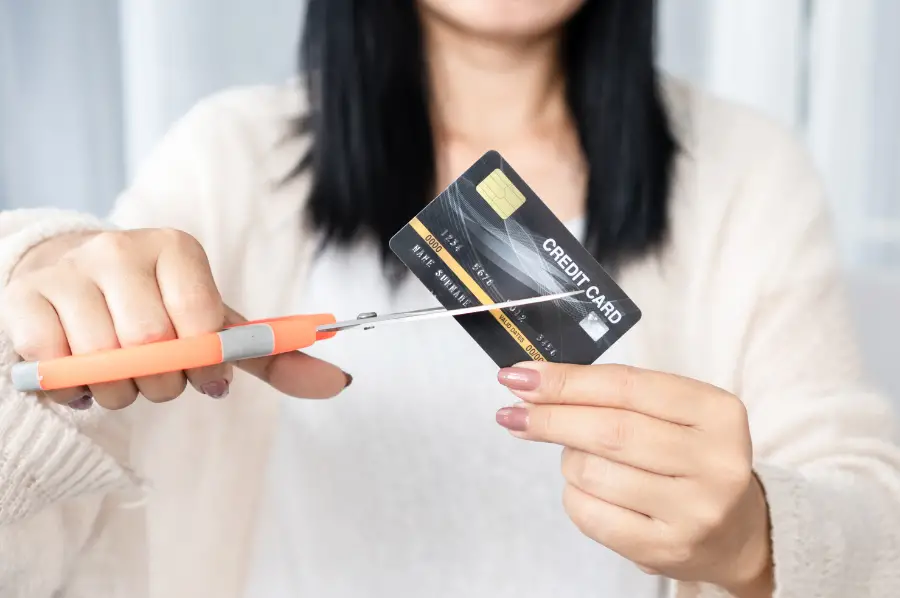
Not only have I never had (or needed) a car loan, I’ve also never had (or needed) my own credit card.
I’m a huge advocate for savings. I have multiple bank accounts to cover all of the different aspects of my life.
Each month when I get paid, I put a set amount into each of those accounts. When I need to pay for something, whether it be expected or unexpected, there is always money allocated and ready to go. No credit necessary!
And no, I don’t earn a tonne – I’m actually a single Mum on a very modest income. It’s all about organisation and discipline.
| 🌿 READ: Easy Money Organisation Tips → |
Loans
Following on from the point above, if you’ve got a healthy ongoing savings routine, hopefully you’ll always have the money you need saved instead of needing to apply for a loan (mortgages excluded).
For Example:
If you’re regularly putting money into a ‘Car’ account, when the day comes that your car dies and you need a new one, there should be money sitting there to purchase one outright. Remember, live within your means.
Unnecessary Insurances
There’s insurance for everything these days. However, some of them are just not worth the money for most people.
Before signing up for extra insurance, consider putting that amount away into a dedicated bank account each month instead. At least if you never need to claim that insurance, you’ll have a lovely little stack of savings to show for it.
Insurances I wouldn’t be without include home, contents and car.
When it comes to Income Protection Insurance, have a look to see what’s covered in your superannuation as a standard feature. Also, read the fine print of the terms and conditions. Many income protections only cover you for 75% of your wages for 3 months, with a 1-month waiting period before you can claim.
Basically, if you had three months’ worth of wages tucked away in a separate savings account, you’d be better off than needing to jump through the insurance company’s hoops.
Multiple Subscriptions
Do you really need Stan, Paramount, Netflix and Disney?
Pick one and cancel the rest. If you get bored with that service, cancel it and subscribe to another one for a while, then rotate around.
Big-Ticket & Status Purchases

Large purchases driven by trends or status often lose their appeal long before their financial impact fades.
New Cars
I only just joined the ‘new car’ club in 2023 (at 38 years of age), and I paid cash for it (no finance required).
I’ve always paid cash for my cars, and I will continue to do so. Even if you pay off a personal car loan in 2 years instead of 5, you’ll still end up paying a huge amount in interest. Not to mention that the car loses a fair chunk of its value the second you pull out of the car yard driveway.
Unless it’s a sought-after vehicle, cars depreciate. You’ll never get your money back.
Instead, set up a bank account that you put money into each month to upgrade your car when the time comes (with whatever you can afford outright) – that way, you’ll never need to take out a loan.
Latest Technology
Samsung alone launches anywhere between 30 and 50 new smartphones every year throughout its range. And that’s just one phone company, not including all of the other technology that we’ve become accustomed to.
Trying to keep up with it all is crazy and will do nothing but send you broke.
When you’re due to replace a piece of technology, buy the best quality item you can afford at the time and use it until it dies, then repeat the process.
Home Appliances & Convenience Machines
Appliances that serve only one purpose often take up space without significantly improving daily life.
Clothes Dryer
This one depends entirely on your climate, but here in Australia, there aren’t too many locations where a dryer is necessary much of the time.
In fact, I’ve never owned a dryer since moving out of my parents’ house 20 years ago. If the weather is rainy, I hang the laundry on clothes airers throughout the house, and it usually dries within 24 hours.
Single-Purpose Appliances
There are so many appliances on the market nowadays, it’s mental! Consider if it’s worth filling up the cupboard with fifty different appliances, which could quite literally be made obsolete by the humble oven or stovetop.
A good example – I make toasted sandwiches the old school way in a fry pan, instead of having a toasty maker.
Below are some excessive single-purpose appliances and how to live without them.
| Single-use Appliance | Use this instead |
|---|---|
| Hot Dog Maker | – Saucepan |
| Pizza Maker | – Oven – Air Fryer |
| Milkshake Maker | – Blender |
| Popcorn Maker | – Saucepan – Microwave |
| Egg Cooker | – Saucepan – Microwave |
| Burger Cooker | – Fry Pan – Air Fryer – BBQ |
| Cupcake Maker | – Oven – Air Fryer |
Kids’ Stuff & Family Clutter
Children benefit more from fewer, well-used toys than from an endless rotation of new ones.

New Kids Toys
Very rarely did I buy brand new kids’ toys when my two were younger. Most kids’ toys on the market are plastic, which means they break and often aren’t recyclable.
Plus, kids’ toys can be expensive, all packaged up in their fancy boxes. However, once you open them and ditch the wrappings, there’s not really a lot to them. It’s almost like driving the new car out of the sales yard and losing a chunk of its value straight away.
Pick up kids’ toys second-hand from thrift stores, Marketplace, Gumtree and eBay.
| 🌿 Read: 50 Low-Waste Gifts for Kids → |
Decorative Clutter & Sentimental Extras
Decor and keepsakes can quickly become visual noise when they’re acquired without intention.

Knick-Knacks
Honestly, knick-knacks are really just dust collectors, which clutter up your space. What’s the point?
Save your shelf space for items that you truly love and that bring a smile to your face when you look at them. Clear out the ‘meh’ items and pair things back to just those that you truly treasure.
More Storage for ‘Stuff’
Don’t get me wrong, I’m all about compartments and storage for organisation. But, if you need to buy a bigger shed or house to store all of your stuff… maybe it’s time to get rid of the stuff.
The same applies to needing lots of new shelves, drawers and containers to stack away your stuff. You really just probably need a good declutter instead.
| 🌿 READ: How to Start Decluttering → |
Souvenirs
Most souvenirs are just junky, gimmicky items. Unless it’s a genuine Persian rug from Iran or something as unique as that, I’m out when it comes to souvenirs.
Pictures are where the memories are at.
I’ve never understood the point in buying someone else a Paris or New York keyring… to commemorate my trip (not theirs). Seems pretty pointless and impersonal.
Holiday Decorations
If you’ve already got some decorations, keep reusing them instead of buying more decorations. Rather than storing a plastic Christmas tree for eleven months of the year (just to use for one month), decorate a house plant instead.
We don’t need a different set of ‘themed’ decorations every other year…
If you are looking for a few more decorations, see if the kids can make paper chains with scrap paper (then recycle afterwards). Otherwise, buy some things from a thrift store, then donate them back after the holiday season.
Alternatively, invest in a few good quality items (metal, wood, fabric) that aren’t disposable and will last many years to come.
You can even get creative and make a simple DIY no-sew bunting from fabric scraps.
Cut Flowers
As lovely as it is to receive a bunch of cut flowers, they’re expensive, and there’s always the disappointment of them dying before long. Not to mention the plastic wrappings that they always come encased in.
Go for a handpicked bunch of leaves, branches and flowers to pop into a vase or string into your own beautiful handmade bouquet instead.
Alternatively, buy that special someone a potted plant for the house, which will continue to keep on giving for many years to come (hopefully).
Gifts & Obligatory Purchases
Buying gifts out of habit or obligation often creates clutter for both the giver and the receiver.
Unconscious Gifts
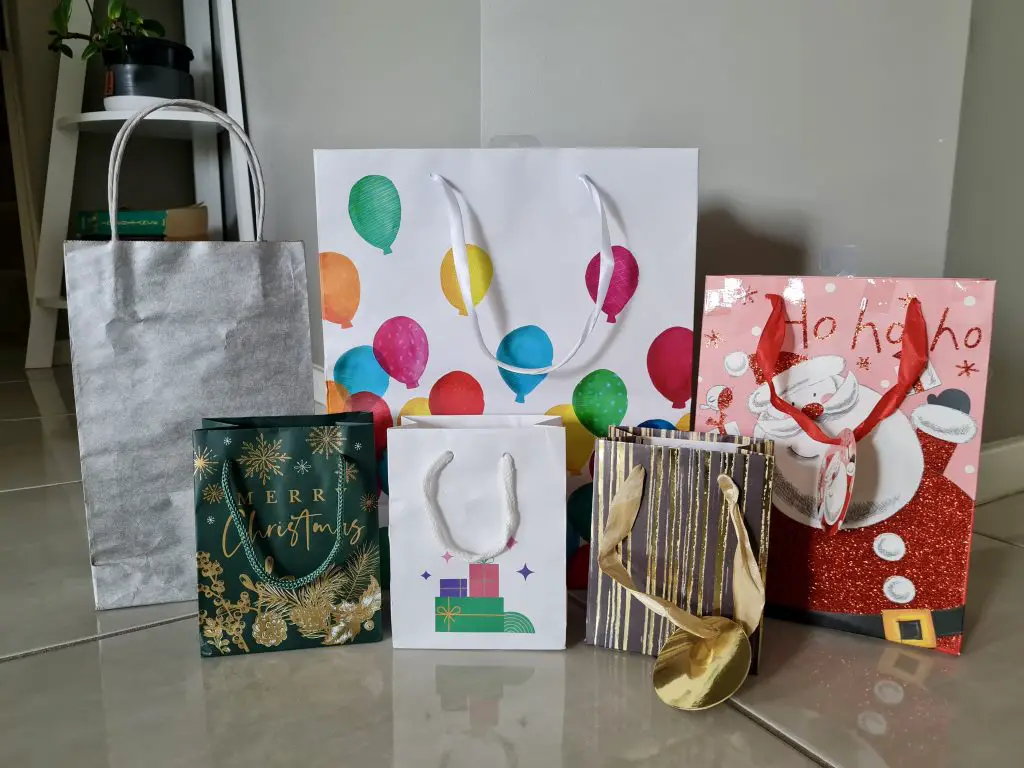
You know those novelty gifts and crappy stocking fillers? I just don’t buy them. Not only is it a total waste of my hard-earned money, but I know those gifts will only provide a brief moment of wonder before ending up in the trash.
What an incredibly wasteful society we live in! This is overconsumption at its core.
I’d much rather gift experiences, useful items and things that the recipient genuinely needs and loves. Stick to quality over quantity and spread the experience of conscious gift-giving.
| 🌿 READ: 60+ Clutter-free Gifts → |
Period & Personal Health Products
Period Products
Go zero waste with your periods, cutting out the need to buy disposables month after month. Sustainable moon cycles have never been easier with period undies, menstrual cups, and cloth liners.
I’ve found period underwear to be the most comfortable of the options, but you’ll have to try them out to see which you prefer.
Check out the article below for a more in-depth look at eco periods.
| 🌿 READ: 5 Zero Waste Period Items → |
Minimalism isn’t about depriving yourself — it’s about making space for what genuinely adds value to your life.
By becoming more intentional about what you stop buying, you naturally create a calmer home, healthier finances and a lifestyle that feels lighter and more aligned with your values.
Pit It