I love a good bulk grocery bargain… until I open the fridge or freezer and realise I’ve got two giant frozen acai bricks, 36 yogurt pouches, a 2L bottle of chocolate milk, a 5L bottle of cream, and a block of butter the size of my head staring back at me.
And I think, “Uh… how am I supposed to use all this before it goes bad?”
If you’ve ever been there, you know the panic. Bulk groceries can be amazing for savings — or a total headache (and waste of money) if you don’t have a system.
The truth? It’s not just about recipes. It’s about storage, portioning, and organisation. With the right approach, you can turn random bulk groceries into small, grab-and-go portions, save money, and drastically reduce food waste.
In this post, I’m sharing my exact system for handling perishable bulk groceries, including acai, yogurt, milk, cream, eggs, cheese, fresh herbs, sauces, and more.
By the end, you’ll be able to grab exactly what you need, when you need it — without stress or waste.
💡 This post may contain affiliate links (including eBay and Amazon Associates). If you buy through them, I may earn a small commission at no extra cost to you. I only recommend things I trust.
Watch: How I Handle Random Bulk Groceries
Press play below to see how I portioned out a 5kg box of frozen acai and a 2L bottle of chocolate milk for future meals and snacks.
How I End Up With Random Bulk Groceries
I get most of my groceries in $50 pre-packed trolleys from local discount grocery stores in Brisbane, like Lighthouse Care and Loaves & Fishes.
This is a really low-cost way to get food, plus it reduces the amount of ‘still good’ food from ending up in landfill. A lot of the food in these trolleys is donated or sold cheaply from big supermarkets for various reasons.
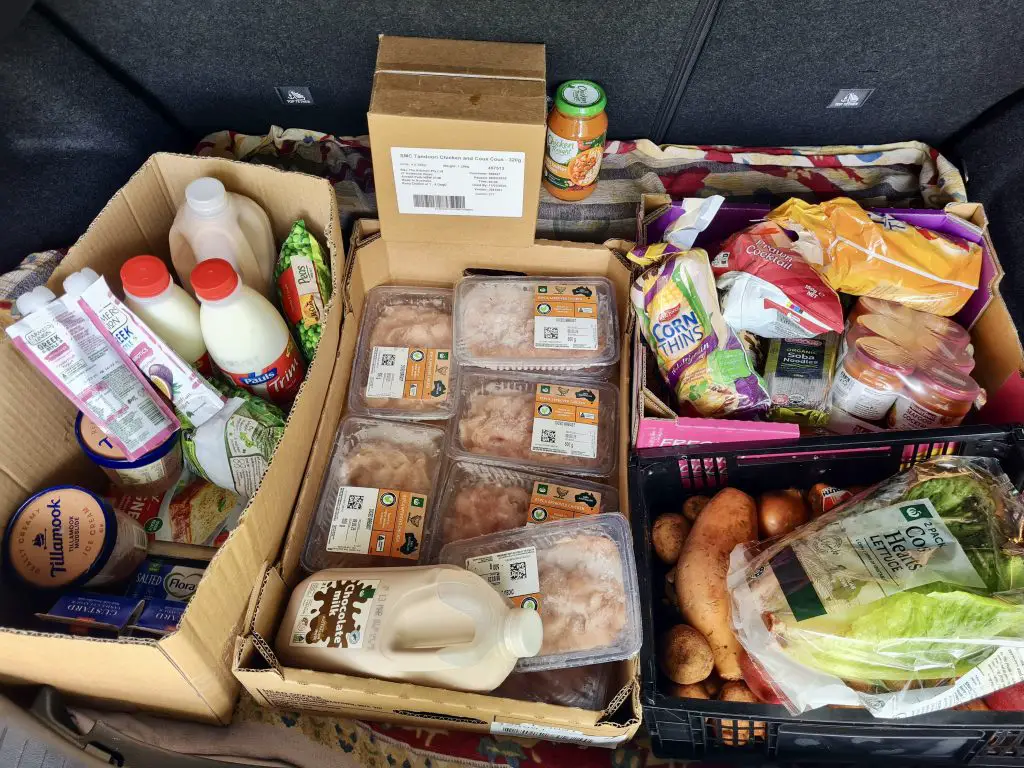
As a result, it’s not uncommon for me to end up with large quantities of random bulk items that realistically can’t be consumed in time.
Here are some examples of bulk perishable foods I’ve recieved:
- 5L bottle of cream
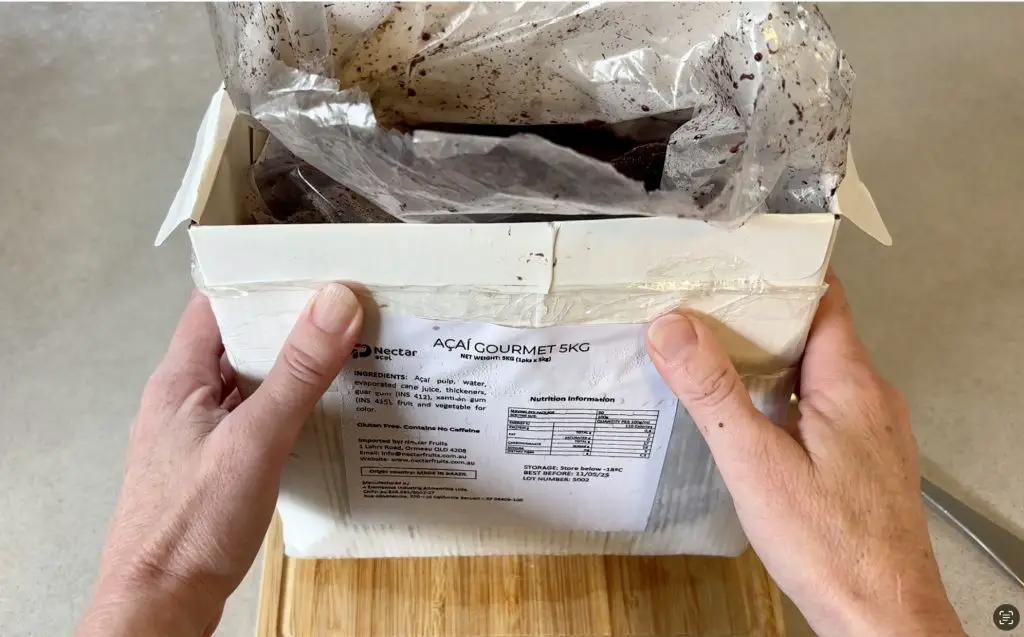
- 5kg boxes of frozen acai
- 36 pouches of yoghurt
- 7 loaves of bread
- Multiple bottles of milk
If you’re interested in how I do my groceries this way, check out the post below.

How I Handle Random Bulk Perishables Without Wasting Food
Step 1: Identify What Can Be Frozen
The first thing I do when I get home with a boot full of groceries is a quick inventory. Get whatever can go into the fridge away, then move on to the freezer items.
Not everything can go straight into the freezer, so it’s important to know which items will actually freeze well. This saves frustration later and prevents waste.
Some common perishable bulk items you might find yourself with:
- Frozen fruits: acai, berries, mango chunks, pineapple, or mixed fruit packs
- Dairy: milk, cream, yogurt, butter blocks, cheese blocks
- Eggs: separate yolks and whites if you won’t use them soon
- Sauces & soups: pasta sauce, curry bases, stock, or gravy
- Fresh herbs & greens: spinach, parsley, basil, coriander (blanch if needed)
- Baked goods: large batches of muffins, pancakes, or bread
- Pantry staples in bulk: oats, pasta, rice
Anything delicate that doesn’t freeze well — like soft cheeses or salad greens — should be planned into meals immediately so they don’t spoil.
💡 Pro tip: When in doubt, look up “freeze [item] safely” online. You’ll often be surprised by what can be frozen successfully.
Step 2: Portion Everything Into Usable Sizes
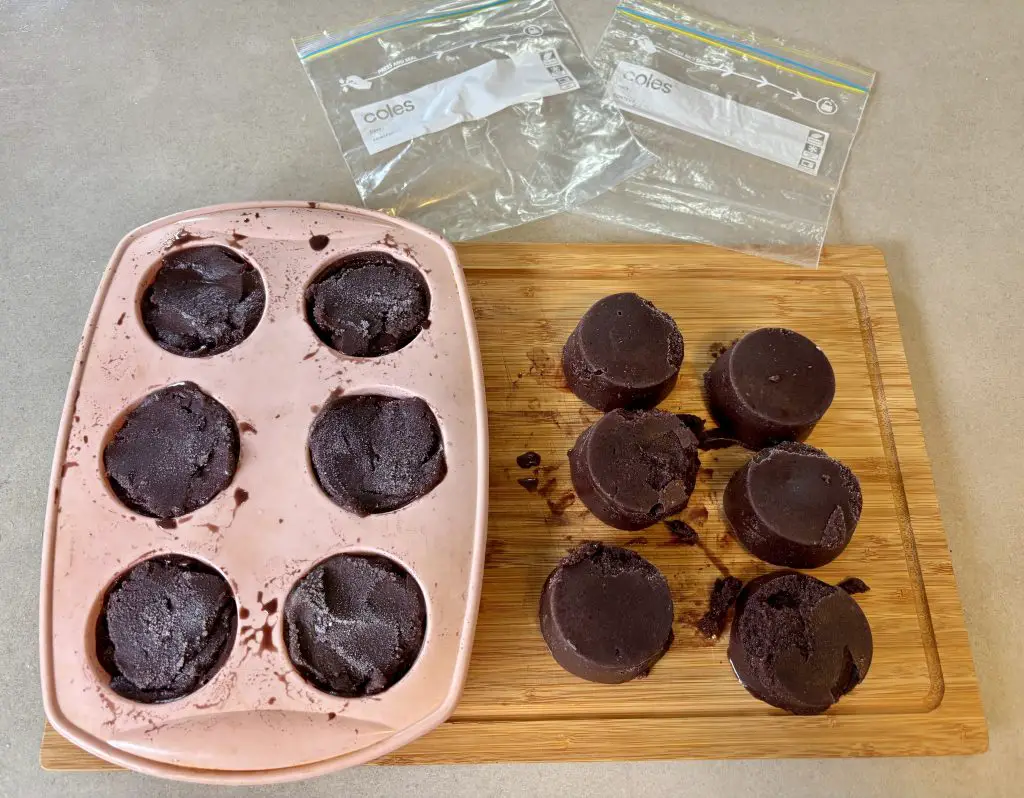
I’ve now received two 5kg boxes of frozen acai in Lighthouse trolleys… which is great, but how the heck do you use it when it’s frozen solid like a big giant brick?
At first, I was pulling the box out of the freezer each day and letting it defrost just enough to scoop out a few spoonfuls to mix with yoghurt and oats. But it didn’t take long for me to start getting over that.
That’s when I realised the key: break down bulk items into smaller, manageable portions before using them. It saves time, prevents waste, and makes meal prep far less daunting.
Here’s How I Handle Common Bulk Items
Frozen Fruits & Acai:
- Let blocks soften for 10–15 minutes
- Spoon fruit into silicone muffin trays/ small containers
- Freeze solid & transfer into Ziploc bags/ containers
- 🥣 Smoothie or snack bowl-ready whenever you want
Yogurt Pouches & Excess Yoghurt Tubs:
- Pouches can go straight into the freezer as they are
- Portion yoghurt from tubs into silicone muffin trays/ small containers
- Freeze solid & transfer into Ziplock bags/ containers
- 🥣 Pull one out for the fridge the night before for breakfast or snacks
Milk & Flavoured Milk:
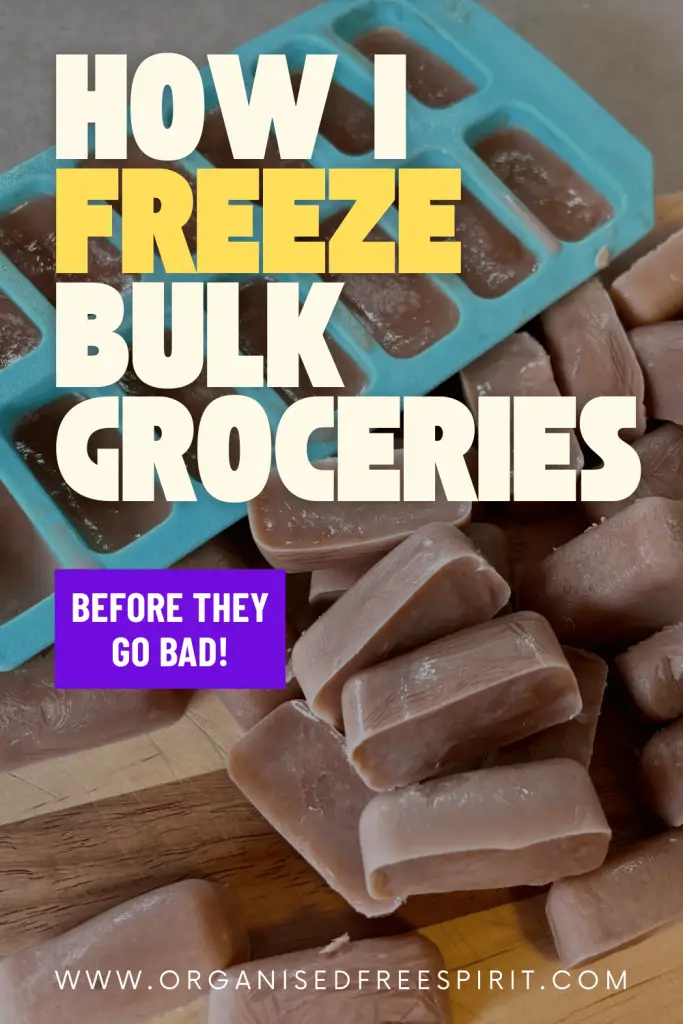
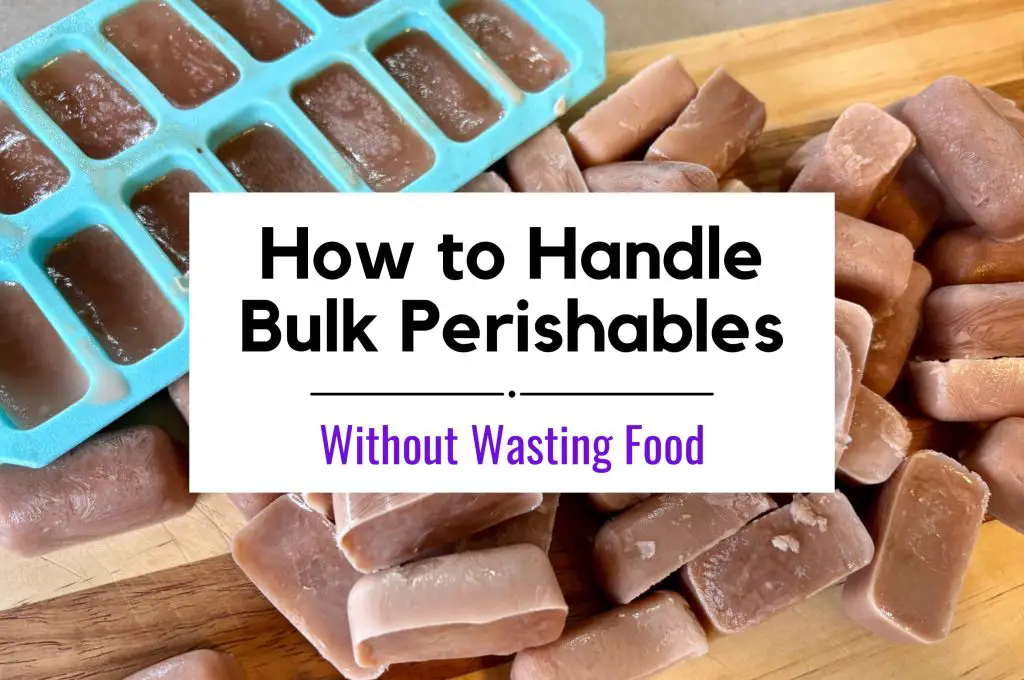
- Pour into ice cube trays & freeze
- Once frozen, bag the cubes (or store in containers)
- 🥛 Perfect for smoothies, oat bowls, hot chocolate, or baking
Cream & Butter:
- Freeze cream ‘as is’ in its container
- Portion cream into silicone muffin trays/ containers – freeze – store in bags/containers
- Use excess cream to make butter
- Set homemade butter in muffin trays in the fridge – store in Ziplock bags/ containers in the freezer
| 🌿 READ: How to Make Homemade Butter → |
Eggs:
- Separate yolks & whites if you won’t use them immediately
- Freeze in silicone muffin trays/ small containers/ ice cube trays
- Store in Ziplock bags/ containers
Cheese Blocks:
- Grate or cube large blocks & freeze in portion-sized bags
Herbs & Greens:
- Chop & freeze in ice cube trays with a little water or olive oil
- Ready to toss into soups, sauces, or smoothies
Baked Goods:
- Freeze muffins, pancakes, or bread in single-serving portions for easy breakfasts or snacks
You’ll notice that I use silicone muffin trays for most of my portioning
– because frozen food pops out so easily & cleaning is a cinch!
👉 Throw into the dishwasher
👉 Handwash in the sink
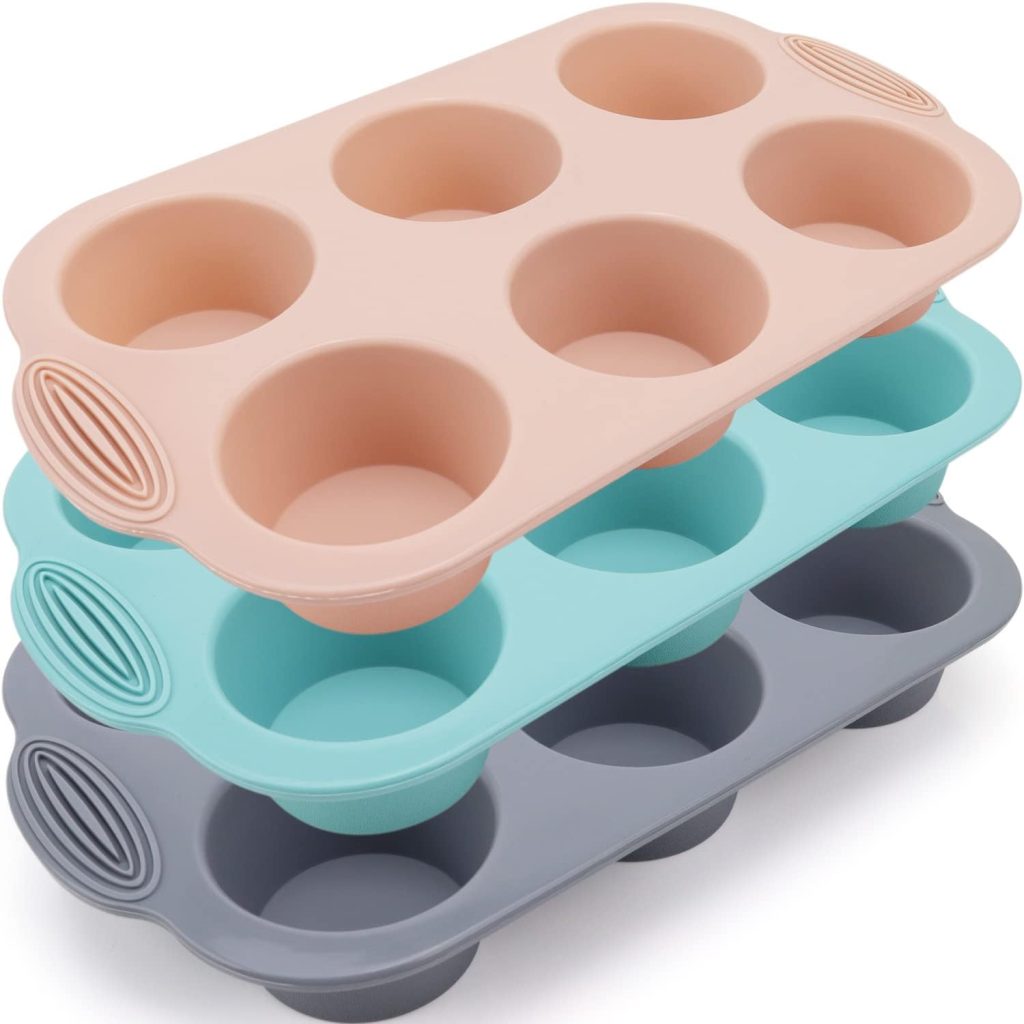
| Where to Buy SILICONE MUFFIN TRAYS |
|---|
| ➤ Local Op Shops – I see them all the time! ➤ Silicone Muffin Trays on eBay → ➤ Silicone Muffin Trays on Amazon → |
Step 3: Label & Organise
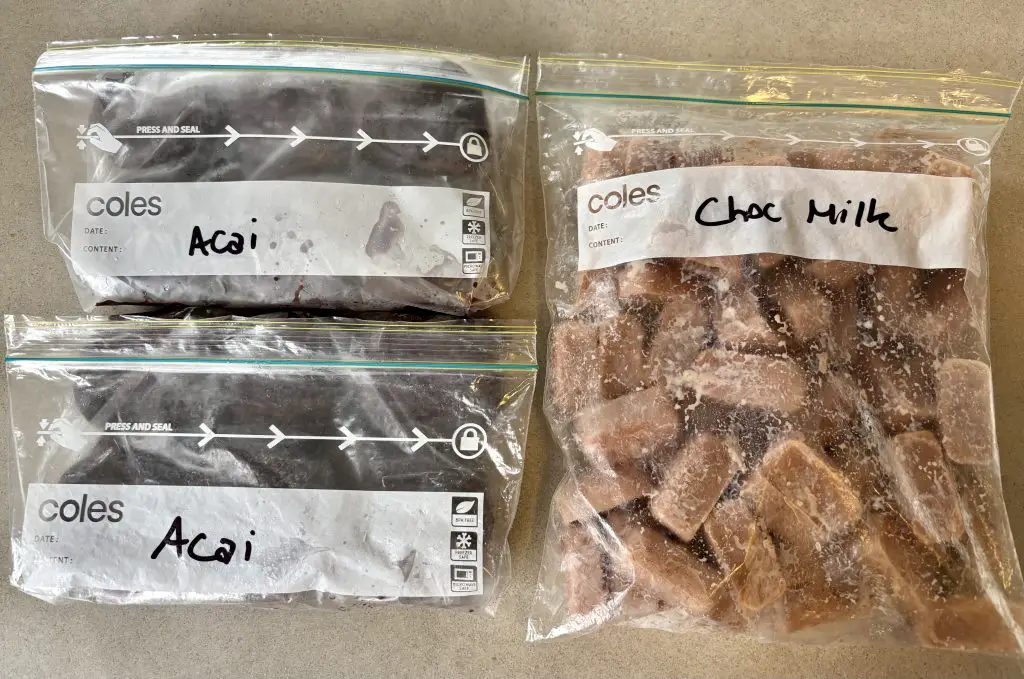
Once your bulk items are portioned, it can be tempting to just shove them in the freezer and forget about them. But a few minutes spent labelling and organising saves time later. Not only does it help you find what you need quickly, but it also prevents items from getting forgotten and wasted.
Here’s how I keep everything neat:
- Label bags/containers with the contents (& date if you like). Avoid mystery freezer food.
- Stack neatly in your freezer so you can see everything at a glance. Items that are visible get used more often.
- Rotate older portions to the front so they’re eaten first.
Even a small bit of organisation upfront makes a big difference in preventing waste and stress.
Step 4: Make It Easy to Use

Freezing and portioning bulk groceries is only part of the solution.
To really make your bulk purchases work for you, you want them ready to use at a moment’s notice. The easier it is, the more likely you’ll actually use what you’ve bought.
Here’s how I make bulk groceries grab-and-go:
- Single acai portions: Perfect for smoothie bowls with oats & yogurt
- Yogurt pouches: Breakfast or snack-ready without opening the entire batch
- Chocolate milk cubes: Smoothies or baking ingredients, just grab a few
- Butter portions: Pull out 1 at a time, add to container on the bench for soft butter
- Grated cheese: Perfect for sprinkling on pasta, pizza, or casseroles
- Herbs: Toss frozen cubes directly into soups, sauces, or smoothies
- Baked treats: Heat directly from the freezer or defrost & eat cold
- Bread: Defrost & store in the fridge for use (prevents dry/stale bread)
The key is that everything should be ready to grab and go, making your bulk groceries a help instead of a hassle.
Step 5: Build a Habit
The real magic comes from consistency. The day your bulk groceries arrive, portion them immediately.
Keep a simple rotation system in your freezer and fridge. Over time, you’ll never waste another bulk grocery item, saving both money and mental energy.
💡 Bonus Money-Saving Tip:
Shop your fridge/ freezer first to use what you’ve got before hitting the supermarket.
Rather than putting an entire meal on your shopping list, you might only need one ingredient to fill in the blanks.
| 🌿 READ: Shop Your Pantry to Save Money → |
Quick Reference Table: Bulk Grocery Portioning
| Item | Portion Size | Storage Method | Freezer Life |
|---|---|---|---|
| Frozen fruit/acai | 1 cup (muffin tray) | Bag after freezing | 3–6 months |
| Yogurt pouches | 1 pouch | Freeze individually | 2–3 months |
| Milk/chocolate milk | ¼ cup (ice cube) | Bag cubes after freezing | 2–3 months |
| Cream | 2–4 tbsp | Muffin tray / container | 3 months |
| Butter | 2 tbsp | Muffin tray / bag | 6 months |
| Eggs (yolks/whites) | 1–2 per cube | Ice cube tray / bag | 3–4 months |
| Cheese (grated) | ½ cup | Bag | 3–4 months |
| Fresh herbs | 1 tbsp per cube | Ice cube tray | 6–12 months |
Final Thoughts
Bulk groceries can be a blessing or a headache — it all depends on how you handle them. Streamlining the process comes in simple freezer hacks, portioning, and organisational tricks.
Portioning & freezing bulk perishable food:
- Saves money
- Prevents food waste
- Makes meal prep & snacking easier
For even more freezer inspiration, check out my post below (which includes a Freezer Tour) — it’s packed with tips for making your freezer/s work for you, not against you.
More Freezer Tips
Pin It