
Frugal living doesn’t mean being cheap — and it definitely doesn’t mean depriving yourself. Many financially comfortable people choose a frugal lifestyle simply because they value their money, time, and resources.
This list of frugal living hacks isn’t about extreme penny-pinching. Instead, it focuses on practical, everyday changes that can save money, reduce waste, and create a bigger impact over time — without making life harder or less enjoyable.
The goal of this post is to give you realistic tips you can easily apply to daily life. When you live more intentionally and stop leaking money on autopilot spending, you naturally move away from living week-to-week — and closer to financial freedom, simplicity, and peace of mind.
FRUGAL LIVING Hacks That Make Everyday Life Cheaper
Stop Keeping Up with the Joneses
One of the most important frugal living hacks you can adopt is to stop trying to keep up with the Joneses. Constant comparison is one of the fastest ways to overspend, blow your budget, and end up stuck in a cycle of debt — especially when you’re trying to match the lifestyle of people who earn far more than you do.
Living frugally isn’t about restriction; it’s about intention. When you measure your success against other people’s purchases, you’re far more likely to spend money on things you don’t actually need, value, or even enjoy. Chasing the latest trends, upgrades, and “must-haves” is a guaranteed way to sabotage your financial goals.
And let’s be honest — no one reaches the end of their life thinking, “That was stressful, but at least I owned a lot of stuff.” Real contentment doesn’t come from accumulating possessions. It comes from feeling secure, fulfilled, and in control of your money.
If you feel pressure to buy things in order to feel successful or worthy, that’s a sign to step back and refocus. True financial freedom — and a genuinely frugal lifestyle — starts with building self-worth from the inside, not outsourcing it to purchases, status symbols, or social comparison.
Limit Advertising & Consumer Triggers
It’s almost not even your fault for trying to keep up with the Joneses. Companies spend billions of dollars each year ensuring that people feel unhappy with their lot in life, but if they just buy the new wonder product, all will be restored.
When you stop looking at advertising, your brain will stop harassing you to buy more stuff. It’s almost like the lollies that are placed right at the checkout so that the kids pester Mum or Dad to buy them on the way through.
Advertising is EVERYWHERE, particularly in the cities. It’s on billboards, it’s on the side of buses that drive past in traffic, it’s on your phone when you look down… everywhere your head turns, there’s another ad for something.
Another tip here is to unsubscribe from emails and put a ‘No Junk Mail’ sign on your letterbox, which both serve to get more advertising into your house.
You can actually train your brain to tap out and stop paying attention to the advertising with some practice. It helps if you have a healthy respect for your own financial freedom and consciously choose not to be hoodwinked by the material manipulation.
Downsize & Reduce Appliance Use
Recently, my kettle ended up becoming the local ants’ nest (see the video below) and had to be thrown away. I was tempted to run out and buy another one, just to quickly replace it.
However, I wanted to use the opportunity to consciously choose which kettle I wanted to get (stainless steel or glass… I needed time to do the research). So, I bought nothing and just used a pot on the stove instead.
| 🎥 VIDEO: Why I Ditched the Kettle for a Pot on the Stove 👇 |
6 months later, I’m still just using the pot on the stove because I love having one less appliance cluttering up the bench, and the pot works just fine. The point is that we can all be a little more intentional when it comes to purchasing and usage, especially when it comes to the never-ending number of appliances on the market.
Instead of reaching straight for the air conditioning remote as soon as the temperature is a little warm, try cooling down the old-fashioned way first. Open up the windows, close the blinds on the sunny side of the house to keep it cooler and turn a fan on.
Instead of throwing the wet washing straight into the dryer, hang it out to dry. If it’s a rainy day, hang the clothes on one or two clothes airers in the house. Most things will usually dry within a day, depending on your climate.
DIY

For the next frugal living hack, the aim is to learn to do as many things as you can yourself, instead of having to pay for the pleasure.
I’m not suggesting you service your car if you don’t know the first thing about mechanics (some things are better left to the pros). But there are plenty of skills you can learn yourself at home, especially with the help of YouTube tutorials these days.
Some things you can DIY to save money:
- Paint your own nails
- Dye your hair at home
- Make your own deodorant →
- Make your own body products
- Shave the mens’ heads yourself with a set of clippers
- Service your own car if you know how
- Basic plumbing & handyman work
- Painting
- Basic sewing & mending
- Make your own Christmas Bon Bons →
Host a Swap Party
If you’ve got some clothes, toys and bric-a-brac to get rid of, host a swap party with your friends to literally swap your old items with new pre-loved items.
The idea is that everyone brings items that they no longer need or want, and the items will be displayed for others to choose from. Get everyone to bring a snack to share as well.
How to host a swap party:
- Set a date and send out invites detailing the categories and number of items for people to bring along.
- Designate a section of the house to host the swap party and lay out rugs & tables for items to be displayed on (lounge room, patio, living room, garage, etc.).
- As everyone arrives, get them to lay out all of their items in the designated section.
- Once everyone is ready to go, get each person to pull a number out of a hat. That is the order everyone will go in for choosing items.
- Starting with the person who pulled out #1, each person will take turns to wander around and choose one item they’d like to take home and keep.
- Keep going around in order until everyone has had an equal opportunity to pick an item that they like. Go back to #1 and keep cycling through until everyone has had enough.
- Once everyone is feeling satisfied and the swapping is complete, all leftover items can be donated to a charity or an op shop.
- Now it’s time to go and enjoy the food, relax and chat.
Go Zero/ Low Waste
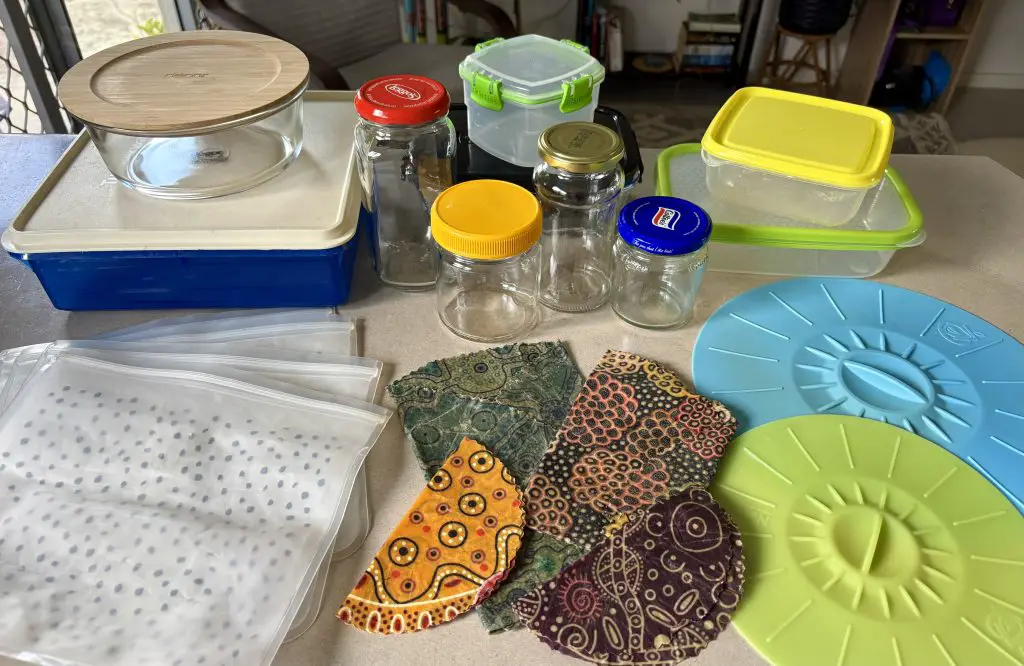
The idea behind zero waste is about using what you’ve already got first. Then, when it comes time to replace something, opt for the least wasteful option you can find and afford.
Reusables are always the best option when available, because they mean never/ rarely having to buy that item again in the future.
For example, the stack of Norwex microfibre cleaning cloths I’ve had for years (some are a decade old!) has removed hundreds of disposable items and chemical cleaning products from my shopping list over the years.
Using containers and beeswax wraps will eliminate ziplock bags and cling wrap. A good insulated water bottle will mean no more plastic water bottles. Switch to reusable batteries to save having to buy so many.
Once you start looking around for better options, you’ll be surprised at how many low and zero waste alternatives there are.
Here are some zero waste ideas to get you started:
Clothing
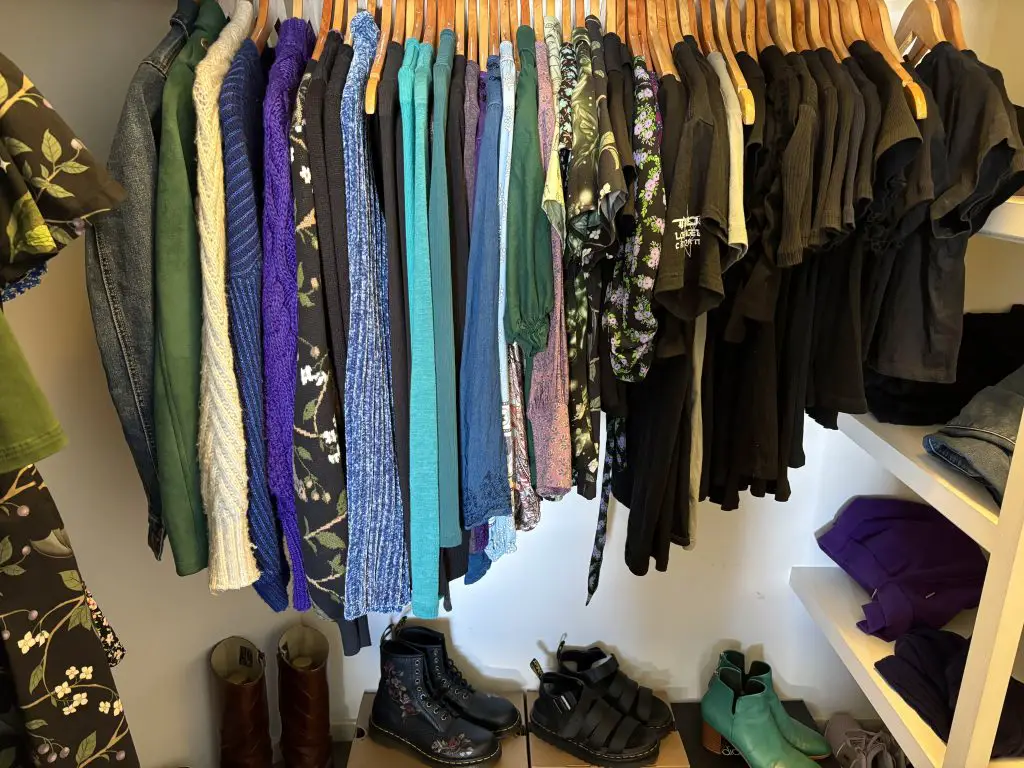
Clothing can be a huge expense in the budget, but it doesn’t have to be.
The main reason we feel like we’ve got nothing to wear is that our wardrobes are often bursting with the wrong items. Some things don’t fit properly, damaged items, and pieces that just don’t align with who we are anymore.
The first thing I’d suggest is to do a big wardrobe declutter. Then, have a go at creating a capsule wardrobe as your base, with a few extra items that will work in addition to the basics. This will reduce overwhelm and clutter all in one hit.
Here are some decluttering tips:
When it comes to buying clothes, head to the thrift stores and see what you can find. Have a clothes swapping party and get in the habit of passing around pre-loved clothing amongst your friends (including kids’ clothes). Shop at the end of the season to pick up bargains in-store.
Another clothing tip is to try on a bunch of your clothes and come up with some outfits that you love. Take photos of each outfit and create an ‘Outfit’ folder on your phone. So, next time you don’t know what to wear, you’ll have a range of outfit choices ready to go.
Or, have a No Buy Clothes year, just like I did in 2025, and just work through what you’ve already got as much as you possibly can.

Save Money on Glasses
Prescription glasses can be really expensive, especially if you want a nice pair, rather than the basic ‘Buy One, Get One Half Price’ deals.
Once you’ve got your prescription from the optometrist, you can actually shop for glasses online for a fraction of the price of what you’d pay in-store. Zenni is a reputable online glasses company, which I’ve used multiple times myself.
The only downfall is that you can’t try the glasses on before buying them, although they do have a ‘try on’ function where you can upload a photo and get an idea.
I’m pretty particular with my everyday glasses, but for prescription sunnies, I’m much more open to picking a style I like and then ordering online.
Take a House Sitting Holiday

There’s no denying it, holidays are expensive. Even camping is not always the cheap affair that it used to be. Get yourself onto some house-sitting websites and do a house sit as a way to explore a completely new location for free.
House sitting is often in exchange for looking after pets and keeping the property occupied while the owner is away.
I house sat multiple times while living on the road in a caravan!
House sitting has allowed me to stay in a few different locations I wouldn’t have otherwise visited, not to mention looking after some gorgeous pets!
Here’s everything you need to know about becoming a house sitter, which is one of the less talked-about frugal living hacks.
Use the Library
Books are expensive, and if you’re an avid reader, you’ll be going through them. I know a new book is lovely, but how often will you read it after that first time?
Head to the library and borrow whatever you like for free. They’ve got magazines, DVDs, books, audio and more. If you’re looking for a particular book, you can put it on hold with the library, and they’ll message you once it’s in.
I also frequent my local op shops and always scour the book section for particular authors or genres that I’m looking for. $2 per book is cheaper than $30.
Another great thing about libraries is the printers. Since I only ever need to print something on the odd occasion, it’s not worth owning a printer and having to pay for the ink cartridges. It’s much cheaper to head to the library and print out a few pages at 20c each, then be on my way.
Borrow Instead of Buy
Following on with the loaning theme for frugal living tips, think about which purchases can be avoided by simply borrowing instead.
Have you got a party coming up and need a few eskies and some extra chairs? Instead of going out and buying more stuff, ask around your friends and neighbours and see what you can borrow.
Need a hedge trimmer to tidy up the front garden? Maybe your Dad has one that you can borrow, rather than buying one.
Once you get into the lifestyle habit of borrowing and swapping, you may find that others around you are interested in borrowing from you as well, which creates a lovely little borrowing circle.
FRUGAL MONEY Hacks to Save More Without Earning More
Create a Budget
Focusing on financial freedom, next in line for these frugal living tips is to create a budget. I know… budgets sound hard and boring and strict. But I’m just going to say it – that’s what the credit card guys want you to think!
You should absolutely know where all of your hard-earned cash is going and not be left in the dark about your own money. You should be actively pushing your money around and organising it. This is called having financial intelligence.
| Basic Budgeting Tips |
|---|
| 1. Write down a list of all of your bills & expenses. |
| 2. Work out how much you need to put aside each pay cycle to cover all bills (work out how much each bill costs per year, then divide it by 12 for monthly, 26 for fortnightly or 52 for weekly). |
| 3. Set up a separate bank account & title it ‘Bills.’ |
| 4. As soon as you get paid, transfer the amount that needs to be set aside for bills each pay cycle into that ‘Bills’ account. |
| 5. Set up as many bills as you can to be paid via Direct Debit from the ‘Bills’ account. |
| 6. Whenever a bill comes in, the money should already be there in the ‘Bills’ account, ready to be paid (although it’ll take a while to build up). |
| 7. Set up additional bank accounts (“buckets”) for other things that you need to set money aside for, and work out how much you need to allocate to each bucket. Example – gifts, schooling, car maintenance, dental, emergency. |
| 8. As soon as you get paid, divvy out the exact amounts required for each bucket. |
| 9. The money that you’re left with covers your day-to-day spending (food, fuel, etc.). |
| 10. Set up an additional ‘Savings’ account and add what you can afford to that each pay cycle (even if it’s just $5), plus add in any lump sums. |
Here are some tips for simple budgeting:
Sell Your Stuff

Turn your clutter into cash, to be used in the next step in this list of frugal living hacks.
Have a wander through the house, garage and shed to see what’s lying around that can go. Take photos and get those items up for sale on eBay, Gumtree or Marketplace.
Cut up the Credit Cards
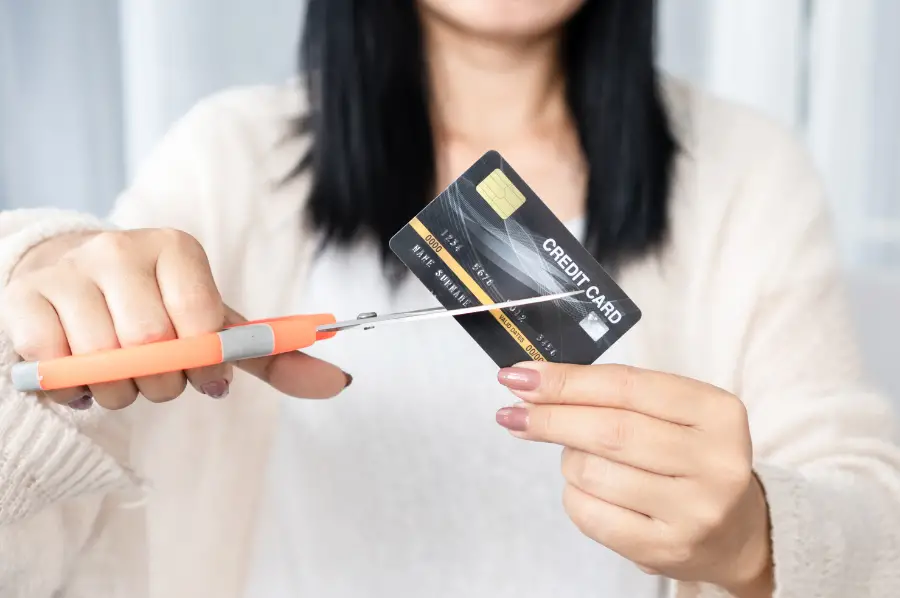
Yep, there, I said it. Cut up all of your credit cards and store cards that work as credit. Pay the suckers out and never, ever use them again.
A much wiser financial plan is to always have an ‘Emergency’ account for unpredictable things that pop up that you are continuously adding to.
Remember in the last frugal hack where we sold all of the things from around the house? Well, now you’re going to use that money to pay down any credit cards you’ve got. The next things in line would be personal loans, then you should use that money to add to (or start building) an ‘Emergency’ account.
“If you don’t have the money, don’t spend it.”
There’s a saying that I’ve always lived by, and it’s this: “If you don’t have the money, don’t spend it.” It’s pretty self-explanatory. If you want to make a purchase, but don’t have the money, save up and wait until you do. This is another great way to curb impulse buying.
I know a lot of people say to use a credit card for the points and rewards.
While everyone always sets out on their credit card journey with good intentions, so many end up falling into the trap of not paying them out on time. It’s so easily done when unexpected things pop up, your hours get reduced at work, or with the exponentially rising cost of living.
I just don’t think it’s worth selling your soul to the credit card cartel for a few rewards. But hey, maybe I’m just old-fashioned.
Do a Spendings Audit
Sit down and go through all of your outgoings and be real about which things can be cut from the budget.
- Do you have five streaming subscriptions, but only really use one or two? Cancel them.
- Do you have a larger plan than you need for your phone or internet? Find a cheaper one.
- Is there too much take-away and eating out going on? Time to take control and prepare more food at home.
Go through your bills and ring each company one by one and see if you can negotiate a better price. This is especially important with insurance companies when your renewal comes in – they always seem to increase more than they need to.
No Buy Month Challenge
One of my favourite frugal living hacks, which I use myself sporadically, is to set the challenge of only purchasing the bare essentials for one whole month. That means no take-out, no coffees, no extra groceries, etc.
Eat through what you’ve already got in the cupboard, fridge and freezer. Only buy ingredients that are necessary to fill in the blanks.
The idea of the No Buy Month Challenge is to allow you to throw the excess money at your debt and pay it down. If you don’t have debt, use the extra money to build up your emergency fund or pay for something else that’s on your list.
Basically, having a No Spend Month is a great way to fast-track savings, reduce debt and propel yourself forward to where you want to be.
| 🎥 VIDEO: I Did a No Buy Clothes Year! 👇 |
Quality Over Quantity
My next frugal living tip is to buy quality over quantity. Being frugal isn’t about being a tight-ass; it’s about being smart with your money and resources.
Have you heard the saying, “The poor man pays twice?” It basically demonstrates that a good quality item, which is well constructed, will always outlast the cheap, crappy item. With cheap stuff, you’ll find yourself having to replace the item multiple times, so in the end, did it really save you any money?
In this throw-away society, which is dominated by a market of items that are designed to break, the saying could not be any more apt.
“The poor man always pays twice.”
If I have my eye on something, but don’t have the money to buy the better quality item brand new, I’ll look to the second-hand market for the item rather than just head out and buy the cheaper version. I know that in the long run, it will be a much better investment.
Let’s use the example of Pincinox Pegs
Have you heard of Pincinox? They are a company that make the most superior stainless steel clothes pegs I’ve ever come across.
Each peg is made with one complete piece of industrial-grade stainless steel, meaning they will never break or rust. They work out to be $2 per peg, instead of about that amount for a whole pack of crappy, plastic pegs that will break before long.
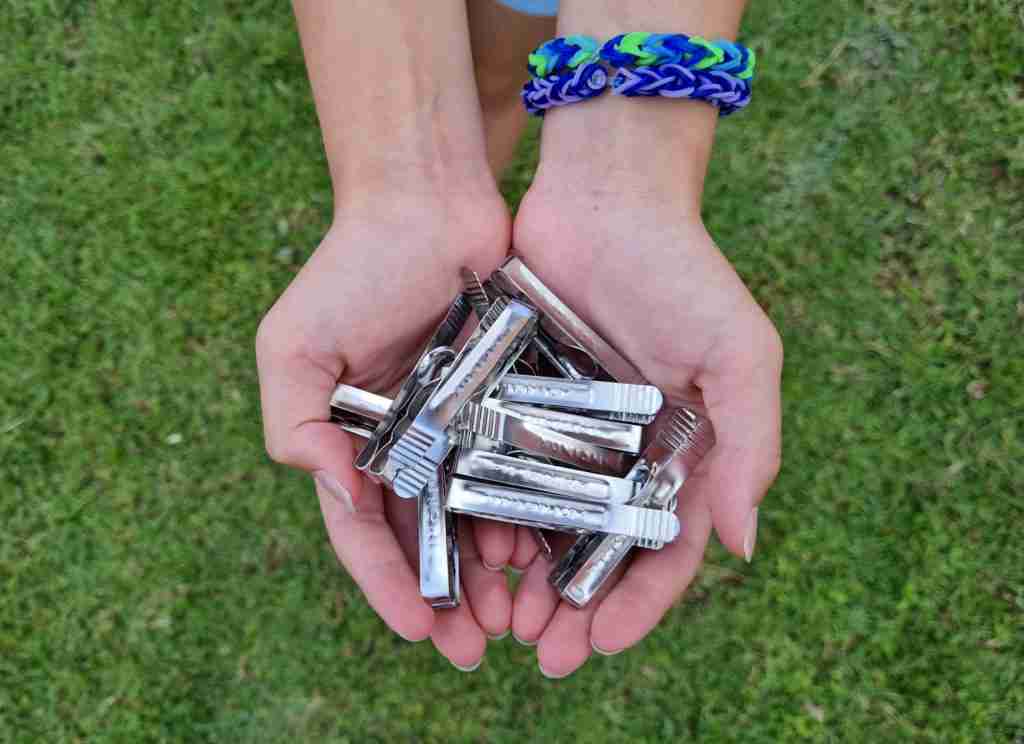
So, sure, the poor man can go buy the plastic pegs, but he’ll go through so many pegs in his life that they will end up costing far more than the initial outlay for the superior pegs, which will last a lifetime.
Shop Pre-loved

We have touched on pre-loved items a bit already when it comes to buying quality over quantity. But it doesn’t just apply to big-ticket items; shopping the second-hand market is just as handy with smaller purchases as well.
Between thrift shops, Facebook Marketplace, eBay, Gumtree, Craigslist and garage sales, there are so many opportunities to find what you’re looking for without having to buy new.
- Clothing
- Tools
- Shoes
- Furniture
- Sporting equipment
- Camping gear
- Jewellery
- Household goods
- Gifts
| 🌿 READ: 25+ Thrifted Gift Ideas → |
Google Coupon Codes
This is one of the frugal living hacks many people don’t think of. Before you make a purchase online, always do a quick Google search and see if there are any coupon codes for that store.
More often than not, you’ll find that you can get a 10% off or Free Shipping code, which you can copy and paste into the ‘Voucher’ section at checkout.
Get a Refund
Have you ever gotten home from making a purchase and thought, “Ohhh, I wish I didn’t buy that?” Or you buy a new shirt for your child, and they just plain don’t like it?
The thing is, so many people just go, “Oh well,” and never end up returning the item. What a waste of money!
If you end up with buyer’s remorse, the item doesn’t fit, or you just don’t need it. Take it back to the shop and get your money back.
Most stores offer a 30-day refund policy, so as long as you’ve got the receipt, you’re good to go. It helps to still have the tags on the item as well. I always tell the kids to try it on before cutting the tags.
FRUGAL FOOD Hacks That Cut Grocery Costs
Meal Plan
Meal planning always sounds so much more involved than it has to be. Basically, before you head to the shops to do your weekly groceries, have a look at the ingredients you’ve already got in the fridge, freezer and cupboard. Write down a list of meals you can cook using those ingredients.
Incorporating the meals you can already make without buying anything else, come up with a menu of meals for the week and stick it on the fridge.
Then you can add the additional ingredients to your shopping list to fill in the blanks.
Cook Once, Eat Twice
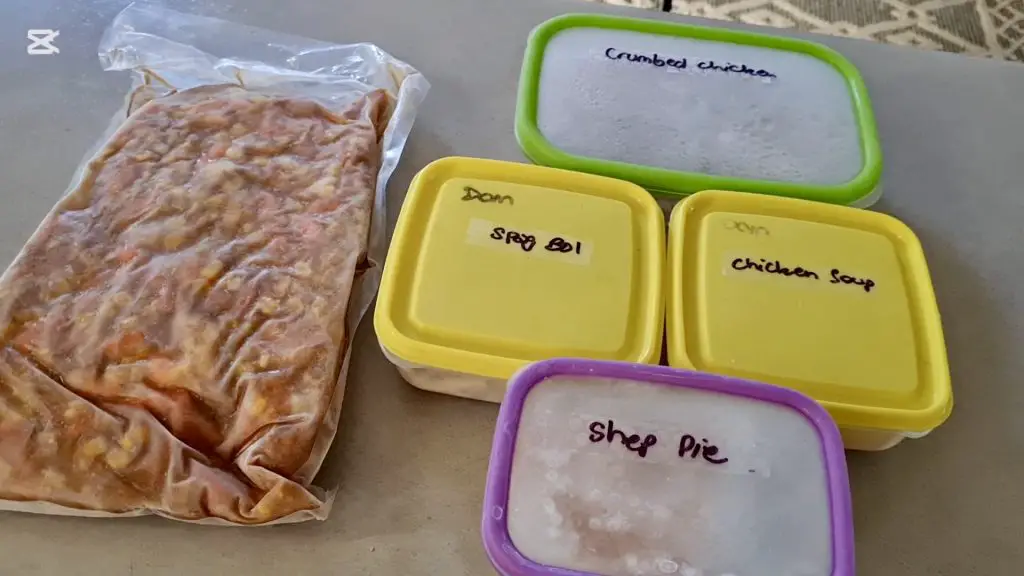
Some people are leftover snobs, but not me. I love leftovers!
Pretty much every meal I make will last at least another night, if not more. Just being me and two kids means that meals do stretch a lot further than they would for a bigger family.
For larger households, you can make double batches when you cook and either freeze the leftovers or put them in the fridge for lunch or dinner the next day. You will save yourself so much time and energy on cooking in the long run.
Keep a Running Shopping List
A very important part of the frugal living hacks is to arm yourself with a shopping list.
Instead of just winging it when you do the shopping, always keep a running grocery list on the fridge. Whenever you notice something has run out or is getting low between shops, add it to the list.
Then, the day that you’re heading out to actually do the groceries, have a look through the fridge, freezer and pantry to check your usual staples. Don’t forget to check the toilet paper and toiletries.
If you haven’t already done your meal plan, do that and add whatever ingredients you need onto your list.
By keeping a running shopping list, you will rarely ever forget things. When we duck into the shops every other day for one or two items, we always end up spending more than we need – the stores are good at making sure of it!
Try doing your groceries only once per fortnight (or once a month if you’re game), to reduce the number of times you’re spending.
Avoid Snack Packs
You know those little ‘fun size’ or ‘snack size’ pre-packaged foods? They are expensive if you take the time to break them down to cost per 100g.
A far cheaper option is to buy a larger pack and put a small amount into a container, jar or food wrap as a snack.
Great examples here are chips, biscuits and dairy products.
Stock Up
Whenever you see your regular brands or products on sale, stock up while they’re going cheap.
Over time, you’ll find that instead of just buying each item every time you go shopping because you need it, you’ll be focusing on the things that are on special.
Knowing that you’ve got plenty of what you need on hand at home means that you can wait until something is on special before needing to buy it.
Buy Store Brand
I get it, some things just don’t taste the same in the generic store brand. Those are the items that you should stock up on when they’re on special.
For all of the things that do taste the same or do the same job, go for the cheaper brand. It’s amazing how much it’ll save you at the checkout.
For those who live in Australia, switching to Aldi for the bulk of your groceries is one of the easiest ways to cut down the grocery bill.
Get Fly Buys & Everyday Rewards
If you haven’t signed for Fly Buys or Woolworths Everyday Rewards, do it now. They’re both free.
Every time you shop at Coles grocery stores, petrol stations, Kmart and Liquorland, swipe your Fly Buys to earn free points. When you’ve got enough points for $10 off your next shop, it’ll show up on the screen when you’re at the checkout.
The same goes for Woolworths, Big W and BWS, which are linked to your Everyday Rewards card.
Make Your Own Coffee
Did you know that the average coffee drinker who shouts themselves a cup a day is spending over $1,600 per year on coffee?
I get it, buying a nice cuppa each day is a treat for yourself. But, if you kept the cafe coffees as an actual ‘sometimes’ treat, you’ll appreciate them all the more. Keep them for when you catch up with a friend or want to do something for yourself out of the ordinary.
There are plenty of coffee machines and sachets available to make nice coffees yourself at home and work that pan out to be a lot cheaper.
Pack Your Own Lunch
Much like the coffees, the daily lunch-buyer, who spends an average of $7 per day on lunch at work, is out of pocket a whopping $1,680 per year. That’s not including 4 weeks’ annual leave or buying out on weekends.
So, for someone who buys one coffee per day, plus lunch at work every day, you’re looking at $3,280 per year!
Remember how we had the conversation about cooking once and eating twice? Here’s where that gets handy. You can literally have a nice home-cooked meal for lunch at least a few days per week, by taking some yummy leftovers to work (provided you can heat them up).
And don’t forget about the old ham and salad rolls with a tub of yoghurt or some fruit.
I always love to hear other people’s frugal tips, just in case there’s something else I add to my own intentional living lifestyle. Feel free to share your frugal hacks in the comments below!
| 🌿 READ NEXT: 22 Frugal Household Swaps → |
Pin It