Are you tired of buying clothes you rarely wear, only to find your wardrobe overflowing with items you don’t need? A No Buy Clothes Year is a simple but powerful way to change that. This challenge encourages intentional spending, helps you declutter, and teaches you how to make the most of the clothes you already own.
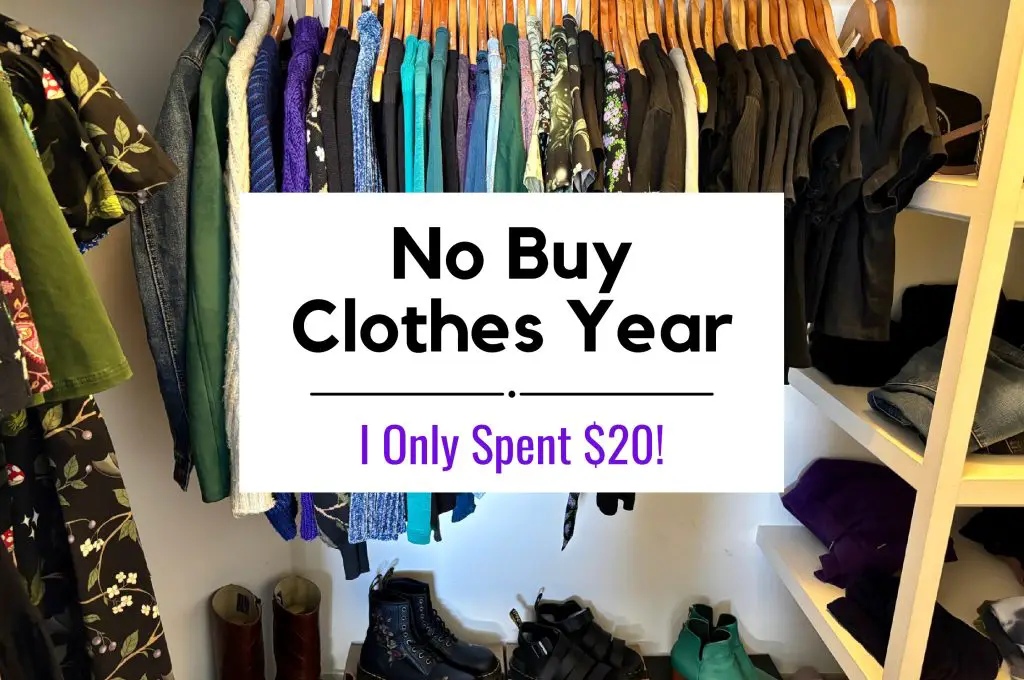
I recently completed my own No Buy Clothes Year. Over the course of 2025, I spent just $20 on essentials, and I didn’t miss a single item. The experience taught me that it’s not only possible to go a year without buying new clothes but also incredibly liberating.
In this post, I’ll share my personal journey, what I learned along the way, and a step-by-step guide for anyone wanting to try a No Buy Clothes Year themselves.
Whether your goal is saving money, reducing waste, or simplifying your life, this guide will help you start and succeed.
Watch: I Did a No Buy Clothes Year – Only Spent $20
Want to watch?
Join me below as I chat about my No Buy Clothes Year. 👇
My No Buy Clothes Year Experience
At the beginning of 2025, I set a clear intention: no new clothing unless absolutely necessary.
My motivation wasn’t about deprivation—it was about focusing my time, energy, and money on things that mattered more while avoiding unnecessary purchases.
Before starting, I did a thorough audit of my wardrobe:
- Dresses: Plenty of versatile options for summer, winter, and layering
- Skirts: A mix of short and long skirts that could be styled for multiple occasions
- Tops: Long-sleeve and short-sleeve tops, blouses for going out, casual t-shirts, and basics in black and color
- Jumpers and Jackets: Enough for layering across seasons
- Jeans: Casual pairs and nicer options for going out
- Sleepwear and Lounge: Old clothes and leggings—no need to buy pyjamas
By knowing exactly what I had, I realised I already owned everything I needed to get through the year. I also found that having a smaller, intentional wardrobe made it much easier to mix and match outfits.
Having fewer items, but ones that I actually love, reduces decision fatigue.

How Much I Spent
The only money I spent on clothing in 2025 was $20 on new underwear, which I genuinely needed. Everything else came from my existing wardrobe.
This small expenditure highlighted a key lesson: we often buy clothes we don’t need, simply because society encourages it.
Seasonal trends, sales, and advertising can make it feel like we need to constantly refresh our wardrobes, but in reality, most of us already have more than enough.
Lessons I Learned About Clothes and Shopping
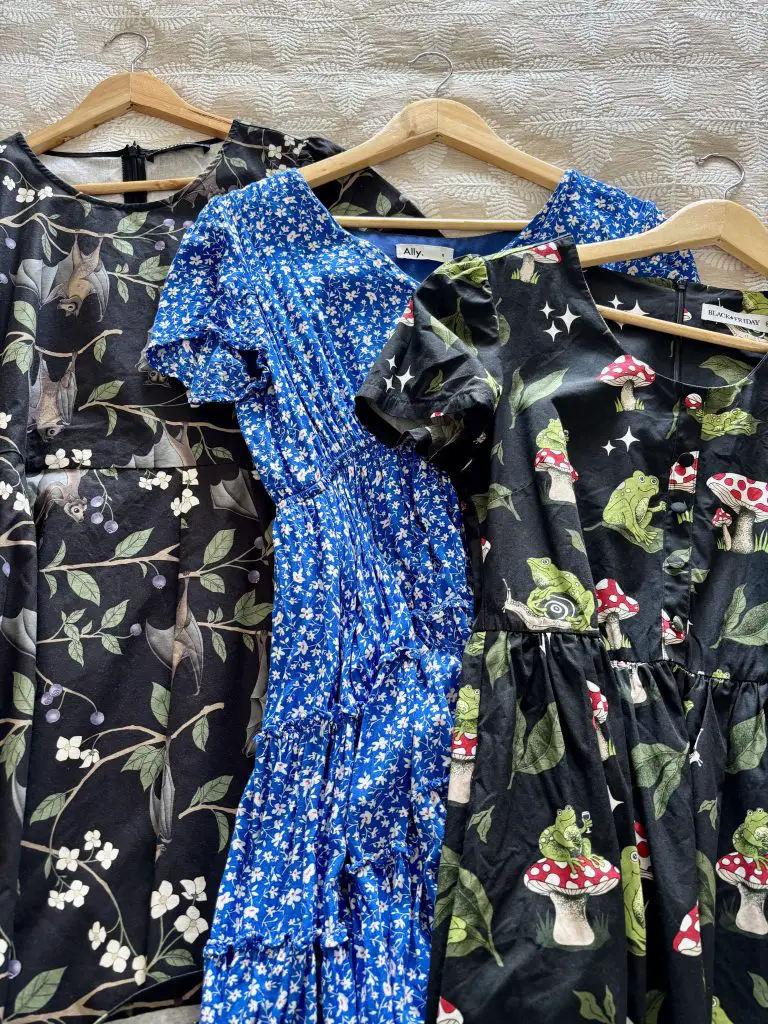
Taking a No Buy Clothes Year taught me several important lessons that I think everyone should know.
Understand your body shape and style:
Knowing what flatters your body and makes you feel confident makes it much easier to stick to clothes you love. Trends may come and go, but your style is timeless.
Quality over quantity:
Focusing on versatile, long-lasting basics reduces the urge to overspend and helps you build a functional wardrobe.
Less is more:
A smaller, curated wardrobe is easier to manage, prevents decision fatigue, and actually sparks creativity in styling.
Shop intentionally, not impulsively:
Avoiding unnecessary purchases allows you to spend on items that genuinely add value to your wardrobe.
For example…
When peplum tops were trending in the early 2010s, I quickly realised that particular style did not flatter my shape at all! If I had bought them just because they were “in,” they would have sat unused in my closet.
This experience reinforced the importance of sticking to what suits you, not what’s trendy.
How to Do a No Buy Clothes Year
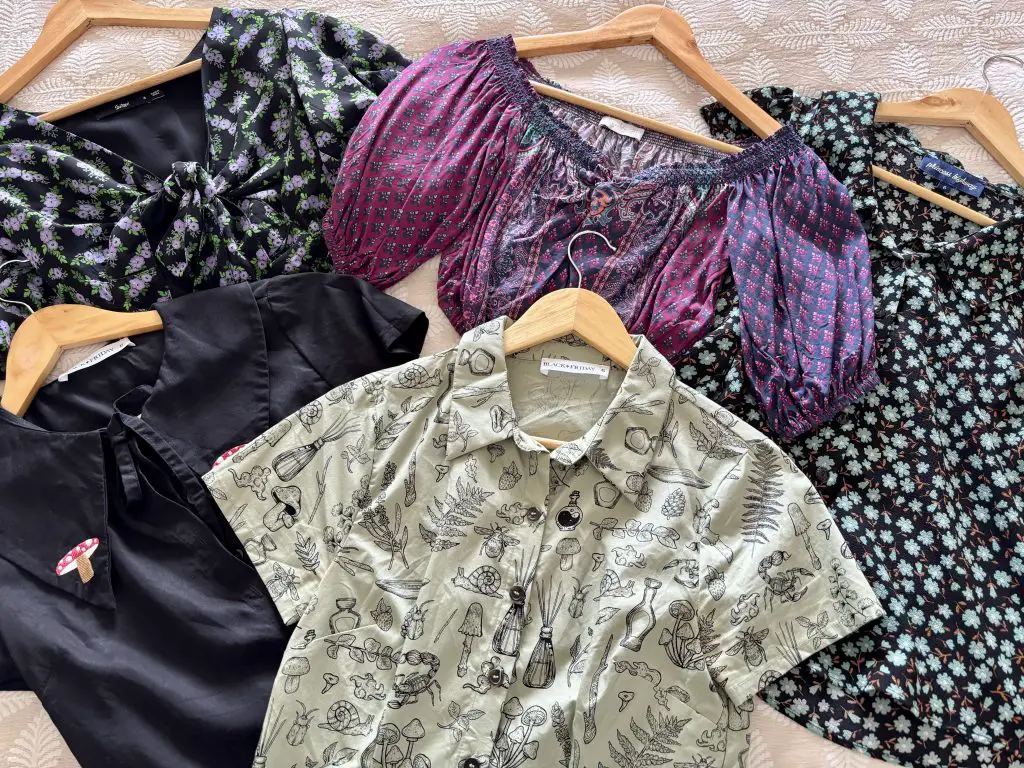
If you’re inspired to try your own No Buy Clothes Year, here’s a simple step-by-step approach.
1. Audit Your Wardrobe
Take a detailed inventory of all your clothing. This is the best way to start so that you know exactly what you’ve got and helps to identify any gaps.
Separate into categories:
- Essentials: Basics & items you wear regularly
- Workwear: Uniform or work items
- Seasonal: Clothes that rotate depending on the weather
- Special Occasion: Items for events, going out, or celebrations
This gives you a clear picture of what you already own and prevents accidental purchases.
2. Identify True Needs
Decide which items truly need replacing if you feel that you can’t make do with what you’ve got.
Examples of fair replacement:
- Worn-out underwear or basics
- Jeans with holes or sagging knees
- Outerwear that is damaged
- Items that no longer fit
Everything else can stay—you don’t need to buy for the sake of trends or novelty.
3. Understand Your Style and Body Shape
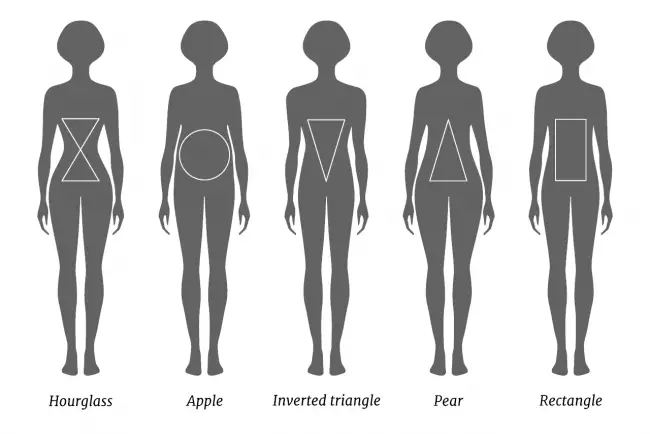
Learn what clothing flatters your body shape and aligns with your personal style. You can do a simple online search to identify your body type, then determine the silhouettes, colours, and patterns that work best for you.
Once you know your body shape and which items do and don’t work for you, you’ll be armed with that information for life! This will stop you from even wasting energy trying on things that simply do not work for you (no matter what’s on trend).
4. Mix and Match Creatively
When you have fewer items, coming up with creative new combinations becomes easier.
It could be as simple as using different scarves and shoes with the same pair of jeans and a basic top, creating multiple looks out of the one outfit.
Combination ideas:
- Layering tops, jackets, and skirts
- Accessorising with scarves, belts, or jewellery
- Using neutral basics to pair with statement pieces you already own
| 🌿 READ: Planning a Capsule Wardrobe → |
5. Set Clear Rules
Coming up with some rules about what you can and can’t spend money on throughout the year will keep things clear and simple for you. This also keeps you accountable along the way.
Some boundary examples:
- No new clothing unless an item is worn out or essential
- Avoid shopping for trends or seasonal updates
- Track any purchases to ensure accountability
6. Reassess Your Wardrobe Periodically
Every few months, it pays to do a closet review and make sure you’re still on track. This may be a chance to see what’s not being worn, or what you can mix and match for the next season.
Things to assess:
- Remove items you no longer wear
- Remix outfits to keep them fresh
- Reevaluate essential pieces that might need replacing
Benefits of a No Buy Clothes Year

There are so many advantages of taking part in a No Buy Clothes Year. From saving money, to honestly seeing what does and does not get used in your wardrobe.
- Financial savings: Minimal spending frees up money for experiences, savings, or investments
- Reduced decision fatigue: A smaller wardrobe makes daily outfit planning easier
- Less waste: Buying fewer clothes reduces environmental impact
- Confidence in your style: Sticking to pieces that suit you fosters self-assurance and authenticity
- Mindful consumption habits: You learn to buy intentionally and only invest in items you truly need
I think the biggest takeaway from not abstaining from buying unnecessary clothing for an entire year is the eye-opening opportunity to see how wasteful our society has become.
Final Thoughts
A No Buy Clothes Year is more than just a challenge—it’s a lifestyle experiment that teaches intentionality, self-awareness, and gratitude for what you already own.
For me, spending just $20 and never missing anything was liberating, and it allowed me to focus on experiences and habits that truly matter.
Whether your goal is simplifying your wardrobe, saving money, or living more mindfully, a No Buy Clothes Year is an achievable and rewarding challenge. Start small, set clear intentions, and embrace the freedom of a wardrobe you already own and love.
More on Minimalist Wardrobe:
Pin It