
Trying to live sustainably while staying on a tight budget can feel like walking a tightrope. On one hand, you want to reduce waste, be eco-friendly, and make ethical choices. On the other hand, your wallet and your existing household items don’t always line up with those ideals.
This is the quiet dilemma many people face but few talk about: zero waste vs frugal living.
Frugality and sustainability are often presented as two sides of the same coin, but in reality, they can clash. You might want to choose the eco-friendly option, but the frugal choice makes more sense — leaving you standing there, feeling guilty no matter what.
Here’s my take on navigating this ethical dilemma, and why sometimes the most sustainable choice is simply using what you already have.
Watch: The Zero Waste vs. Frugal Ethical Dilemma
Prefer to watch?
Come and join the ethical conversation with me below. 👇
When Zero Waste and Frugality Don’t Align
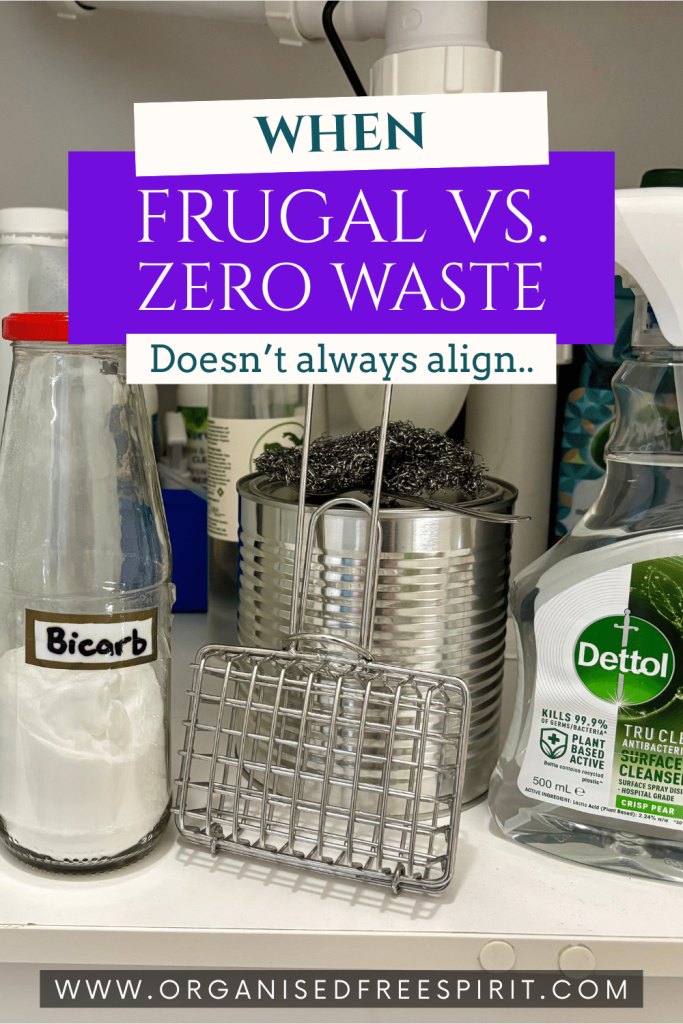
One of the clearest examples I’ve run into recently is dishwashing. I love my soap swisher because I can use a pure soap bar that comes in cardboard packaging — very low-waste and eco-friendly. My packet of eight pure bar soaps from Woolworths is just $4.20, which is incredibly frugal.
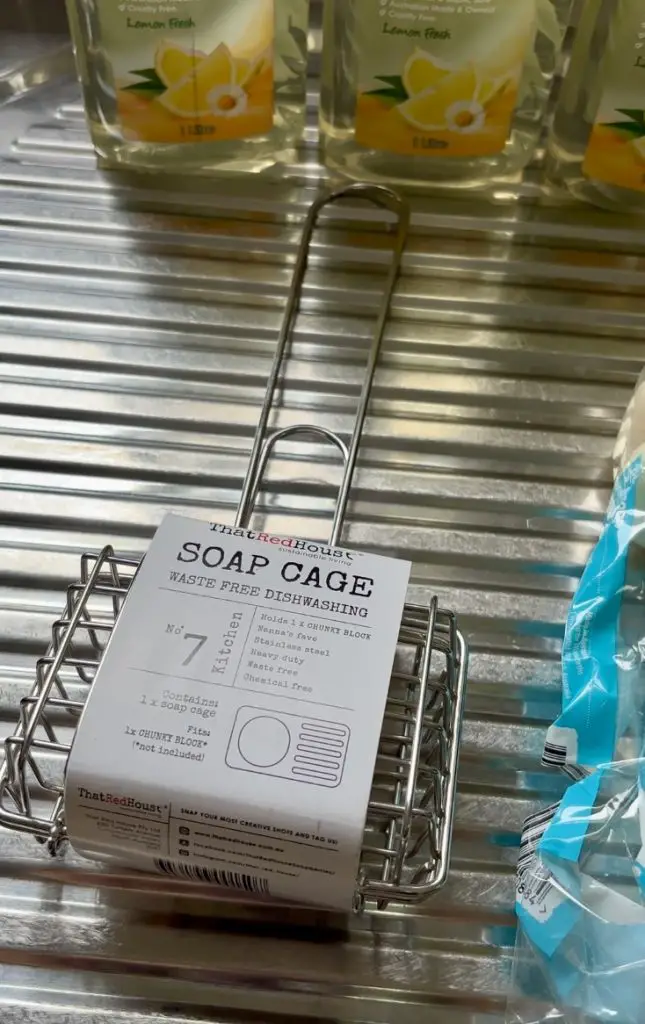
But here’s the catch: I’m noticing soap scum on some of my dishes, especially glassware. So I researched and found beautiful, high-quality dish soaps on Etsy that reduce soap scum. The problem is, they cost $24 for two bars delivered. That’s a huge jump compared to what I already have.
So, what’s more ethical? Buying the eco version and spending more money — or using the less eco-friendly option I already own, which creates less demand on new resources?
This is the core of the zero waste vs frugal dilemma: sometimes your values simply don’t line up, and that’s okay.

Using What You Already Have Can Be the Most Sustainable Choice
I face this dilemma in multiple areas of my home.
Take toilet cleaning, for example. Vinegar and bicarb are cheap, eco-friendly, and effective. But I also have three bottles of disinfectant from previous shopping hauls. They cost me almost nothing, and I already have them. Using them might not be the most eco-friendly, but it avoids waste from unused products.
The same goes for soap. I have two pouches of pump soap refills from budget hauls, which are convenient and inexpensive. But I also buy bar soap in boxes because the packaging is recyclable. Again, there’s a clash between what’s most eco-friendly and what’s most frugal.
The takeaway?
Sustainability isn’t always about buying more or upgrading to more aesthetic products.
Sometimes the most ethical and eco-conscious choice is simply using what you already own.
Sustainability is Contextual, Not Perfect
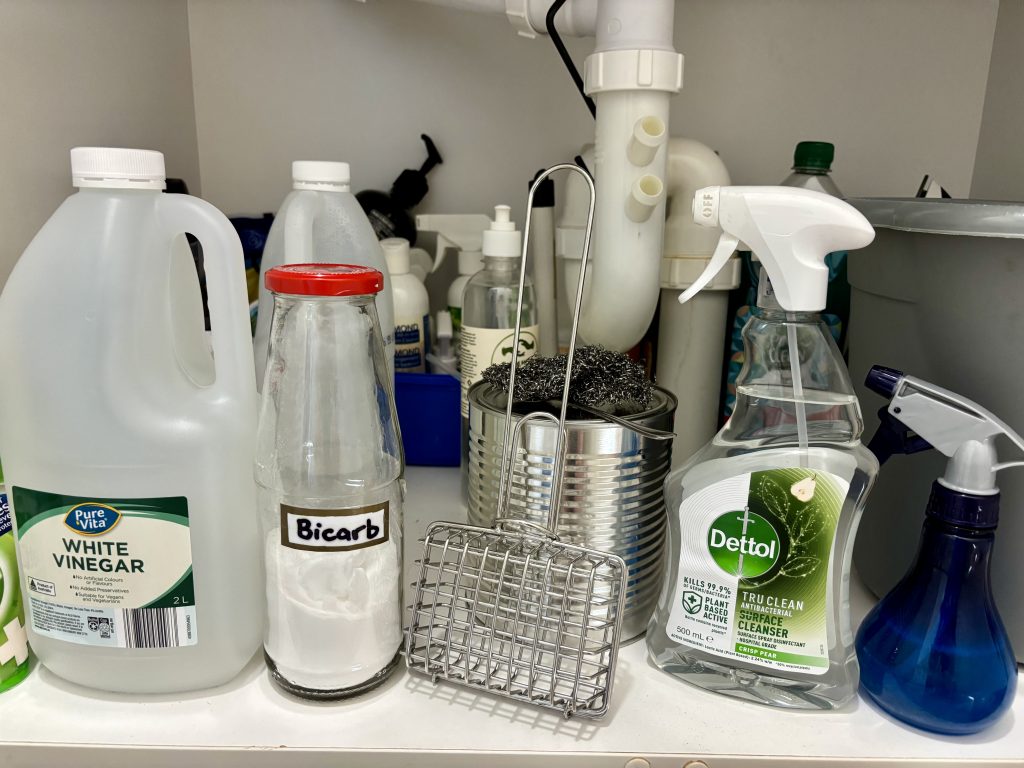
Social media can give the impression that living sustainably is a Pinterest-worthy lifestyle — perfectly organised cupboards, beautiful eco swaps, and Instagram-ready zero waste hacks.
But the reality is often messy.
For most of us, sustainable living looks like:
- Cupboards half full of products we haven’t used yet
- Compromises made to stretch tight budgets
- Finding balance between convenience, cost, and environmental impact
It’s important to remember that sustainability is contextual.
What’s sustainable for someone with plenty of money, storage space, and resources is very different from what’s possible for someone on a tight budget or living in a small space.
Making Ethical Choices Without Guilt
One of the trickiest parts of zero waste and frugal living is the quiet guilt that creeps in when you already own something “bad” or less eco-friendly.
You might feel like you should compensate by buying something better. But guilt doesn’t reduce waste — context does.
✨ Frugality itself is a form of sustainability.
Living within your means reduces consumption, financial pressure, and stress. Financial stability matters because it allows you to make better choices over the long term without burning out.
Using what you already have, maintaining your household without extra spending, and making small, intentional choices can have a bigger impact than constantly upgrading or swapping products.
Sometimes, the most radical sustainable choice is buying nothing at all.
Embracing Imperfection in Sustainable Living
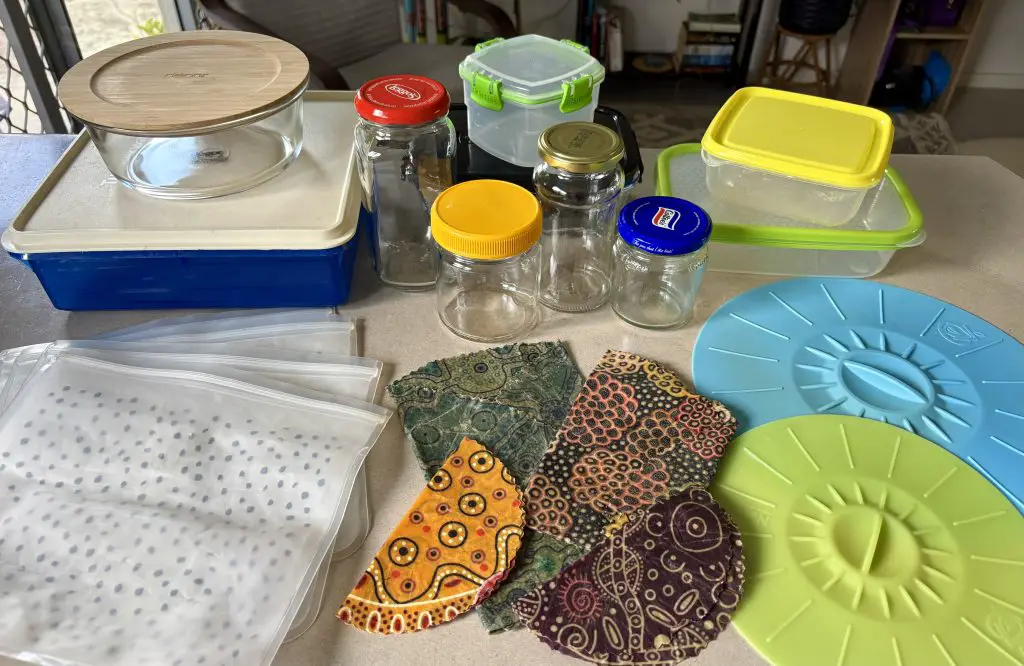
There are seasons in life where sustainability is about maintenance, not improvement.
You don’t have to be perfect to be intentional. You don’t have to buy better to do better. Using what you have is not a failure, and keeping your household stable is not selfish.
If you ever find yourself stuck between frugal and zero waste, remember: sustainability has to be sustainable for you.
The most ethical choice is often the one that aligns with your reality — the one that lets you sleep at night while still doing your best.
Final Thoughts
Being frugal and living a low-waste lifestyle doesn’t have to be a battle. It’s about making choices that are reasonable, intentional, and realistic.
If you’ve ever had to choose between saving money and being eco-friendly, you’re not alone. The key is to embrace the messy, imperfect reality of sustainable living while finding balance within your circumstances.
What matters most is progress, not perfection. By using what you already have, making mindful choices, and being kind to yourself, you can live sustainably without guilt, stress, or unnecessary spending.
More on Zero Waste
Pin It