

Life is unpredictable. Tough times can come in many forms: personal challenges, financial pressure, natural disasters, or global events.
While we can’t control everything, there are steps we can take to build resilience, protect our loved ones, and reduce stress when life gets uncertain.
Preparing isn’t about fear or panic – it’s about taking manageable, practical actions that give you peace of mind and the ability to focus on what you can control. Here’s a guide to four strategies to strengthen your readiness for whatever life throws at you.
Watch: 4 Simple Ways to Prepare for Tough Times
Come and join the conversation with me below as I chat about how many of us can prepare for potential global tough times ahead. 👇
1. Build a Food and Household Supplies Buffer
Having a reliable reserve of everyday essentials is the cornerstone of preparedness. This isn’t about hoarding or buying “apocalypse-only” foods – it’s about creating a buffer that keeps your household running smoothly when disruptions occur.
Stock What You Eat
Focus on foods your household already enjoys and consumes regularly. Avoid impulse purchases of unfamiliar “prep” foods, which often go unused, leading to food and money wastage.
Foods to consider:
- Pasta & rice
- Cereal
- Crackers & biscuits
- Flour & sugar
- Cooking oil
- Canned goods
- Sauces & meal bases
🥫 Example: Adding one extra bag of rice or a spare jar of pasta sauce each shopping trip gradually builds a 2–4 week buffer without straining your budget.

Include Household Essentials
Toiletries and cleaning items are just as important as food when it comes to building a buffer and preparing for tough times.
These items often become scarce during disruptions, and having extras ensures comfort in the home and reduces stress. It also means there are fewer items you need to worry about spending money on if things get tight.
The good thing about stocking up on household essentials is that they last much longer on the shelf than food, so expiry dates are less likely to be an issue.
Household items to consider:
- Toilet paper
- Personal toiletries
- Feminine hygiene items
- Medications
- Cleaning supplies
- Basic first aid
💡 Tip: Keep a checklist of your household essentials to track what needs replenishing.
Start Small, Add Gradually
Even small contributions to your stockpile matter. Over weeks and months, small steps accumulate into a meaningful reserve without taking over your storage space or costing a fortune.
Rotate and Replace Supplies
When building a buffer, it’s important to just stick with items you and your family already use regularly.
Stock what you eat, eat what you stock.
Use the items you stock and replace them regularly (newer items always placed at the back, older items being used from the front). This prevents waste and ensures that your reserves are always fresh and ready for use.
| 🌿 READ: Building a 1-Month Buffer → |

2. Cut Unnecessary Spending
Financial flexibility is a key part of preparing for tough times. Freeing up money allows you to cover essentials, emergency costs, or build savings for unexpected challenges.
If you want to take things a step further and totally overhaul your finances for future resilience, check out the Barefoot Investor guide.
Review Subscriptions
Many recurring services go unused. Cancel streaming platforms, apps, or magazine subscriptions you rarely use, and redirect that money toward essentials.
Trim Lifestyle Expenses
Evaluate non-essential spending such as eating out, luxury items, or frequent coffee shop trips. Small reductions can free up significant funds over time.
☕️ Example: Skipping one $5 coffee per day adds up to over $150 per month that can go toward your emergency fund or stockpile.
Reassess Recurring Bills
Check your utility bills, insurance, and memberships for potential savings. Even minor adjustments, like switching energy providers or renegotiating your phone plan, can make a difference.
💡 Tip: Set a recurring “spending review” once per quarter to ensure your budget stays optimised.
3. Manage and Reduce Debt

There’s no doubt about it, debt can limit your flexibility during tough times.
Take advantage of being able to pay down what you owe when life is running smoothly (as best you can). This gives you more control and reduces stress when unexpected expenses arise.
Prioritise High-Interest Debt
Focus on debts with the highest interest rates first. This reduces what you pay over time and frees up your budget more quickly.
Create a Realistic Repayment Plan
Break down larger debts into manageable chunks. Small, consistent payments are more sustainable and less stressful than trying to pay everything at once.
💸 Example: If you owe $1,000 across three credit cards, pay off the highest-interest card first while making minimum payments on the others. Once the first is cleared, move to the next.
Avoid Accumulating New Debt
Live within your means unless extenuating circumstances mean that you can’t. Limiting reliance on credit ensures your financial resilience during challenging periods.
I always say, “If you don’t have the money, don’t spend it.” This philosophy has kept me debt-free my entire life (mortgages excluded). If I want something, I save up for it.
If you don’t have the money, don’t spend it.
💡 Tip: Track your spending and compare it to your budget weekly – it’s easier to prevent new debt than to fix it later.
4. Build an Emergency Savings Fund
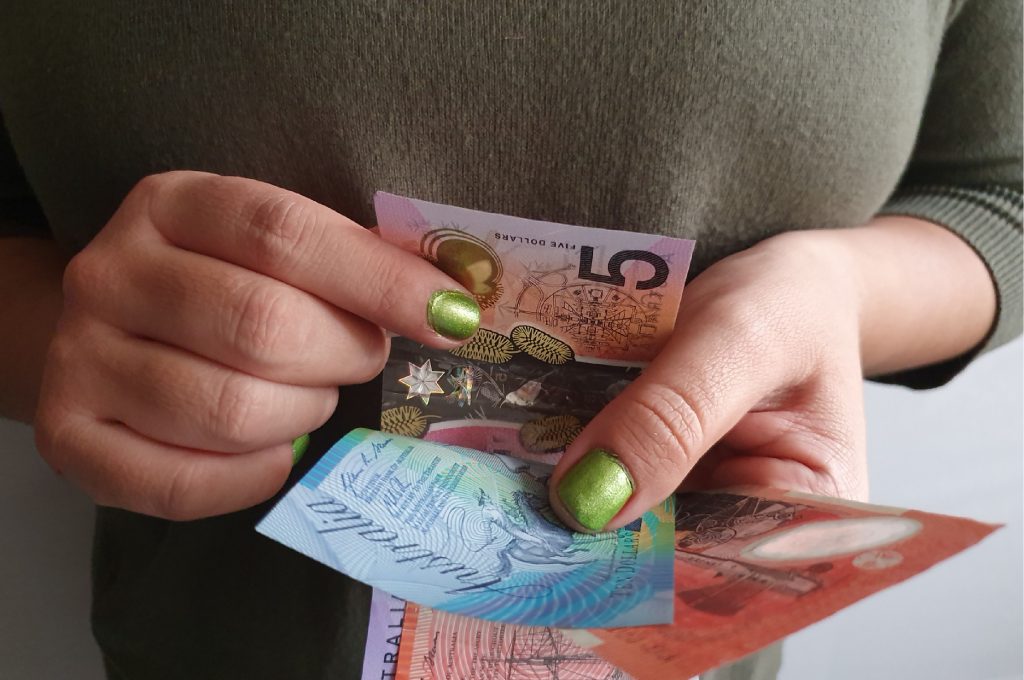
An emergency fund is the backbone of having a financial safety net and avoiding future debt in times of emergency. It ensures you can respond to unexpected costs without stress or compromise.
Start Small
Even saving a few dollars per week adds up over time. The key is consistency, not the initial amount.
I’m in the habit of transferring whatever is left after all of my essential expenses are out of the way each week. That way, whatever is not being spent is always being saved.
Automate Contributions
Some people prefer to set up automatic transfers to their emergency fund. For people who know exactly what they can afford to save each week, this strategy works well.
This makes saving effortless and ensures steady growth over time with little effort.
Keep It Accessible but Separate
Store your funds in a separate savings account that’s easy to access in an emergency but not so convenient that it’s used for everyday expenses.
It also helps to have a high-interest savings account allocated for your emergency funds, so that you can earn a bit of interest on the money being accumulated.
💵 Example: Aim for a starting goal of $500–$1,000, gradually building toward 1–3 months’ worth of living expenses.
Putting It All Together
Preparing for tough times is about building resilience, not panic. By combining a small stockpile of essentials, financial mindfulness, debt reduction, and an emergency fund, you create a strong foundation for handling uncertainty with confidence.
Small, consistent actions matter. Adding an extra item to your pantry, saving a few dollars, or paying down a portion of your debt each week may seem minor – but collectively, they provide real security and peace of mind.
| 🌿 READ: 4 Simple Ways to Budget → |
Pin It