My weekly shopping list used to look completely normal until I realised how many of the same disposable items I was repurchasing over and over again.
This is just the way of things in our modern culture. Most of us are just buying the same unnecessary items on repeat because it’s what subconscious marketing and ‘normal’ life have led us to do.
Over time, I started paying closer attention to what kept showing up on my shopping list. Instead of automatically replacing things when they ran out, I started asking a simple question:
Do I actually need to keep buying this… or can I stop putting it on my shopping list altogether?
That shift from unconscious consumption to mindful purchasing has changed not just what I buy, but how I approach saving money on groceries and household spending in general.
Here are 14 items I no longer add to my shopping list – and what I use instead.
💡 This post may contain affiliate links (including eBay and Amazon Associates). If you buy through them, I may earn a small commission at no extra cost to you. I only recommend things I trust.
Watch: 14 Things I No Longer Put on My Shopping List
Prefer to watch?
Hit play as I show you the 14 items I’ve completely cut from my grocery list for good. 👇
The Pattern I Noticed With My Shopping List
Before getting into the items, I just wanted to point out something important that I noticed with my own weekly grocery lists.
Many of the things I was repurchasing fell into just a few categories:
- Disposable items
- Convenience products we don’t actually need
- “Just in case” items that created clutter instead of usefulness
Once I saw that pattern, it became much easier to really be intentional about each item and look for alternatives that still did the same job, but without the constant spending.
It was a process of simplifying.

How Removing Items From My Shopping List Saves Money On Groceries
A lot of people try to save money on groceries by cutting back on food – but one of the biggest hidden savings comes from what you don’t need to keep repurchasing.
When I removed these items from my shopping list, I noticed:
- Fewer recurring purchases each week
- Less “top-up” spending at the shops
- Fewer impulse items added while shopping
- Lower overall grocery bill without changing our meals
It wasn’t about restriction; it was about removing automatic spending habits that didn’t need to be there.
Let’s get into it…
14 Items I No Longer Add to My Shopping List
1. Bin Liners (garbage bags)
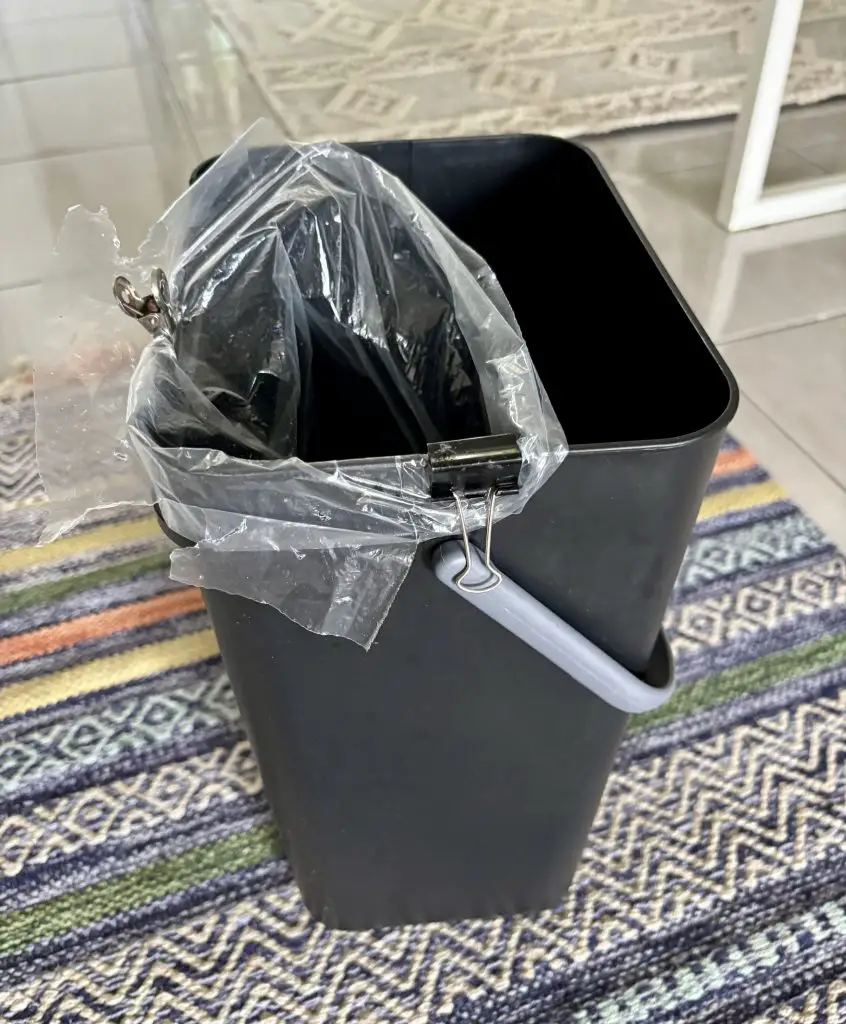
One of my biggest pet peeves is buying rolls of plastic just to store rubbish in, only to throw it straight out.
So I stopped buying bin bags a couple of years ago.
Instead, I reuse packaging like bread bags, shopping bags, and empty food packets that are destined for the bin anyway.
Bread bags are especially useful because they’re tall and easy to tie off at the top.
To help hold the bags open, I use a few clips to attach them to the side of the bin, and they work perfectly fine.
Whenever I come across an empty bag or packet that’s useful for the bin, I throw it into a fabric bag I have hanging up in my broom closet, so there’s always a stash ready to go.
💡 TIP!
Cut up old clothing into thin strips to use as rubbish-bag tie-offs so the contents don’t fall out in the big garbage/kerbside bin.
2. Cling Wrap (plastic food wrap alternatives)
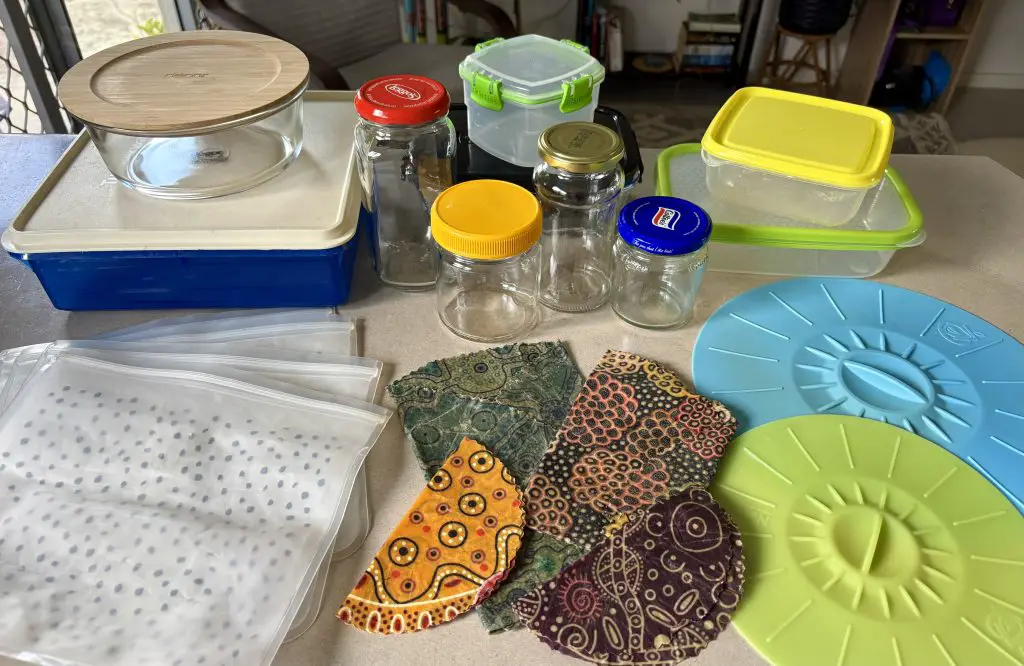
I stopped buying cling wrap many years ago and replaced it with reusable alternatives.
This was originally born out of trying to reduce my household waste and live a little in line with the zero waste philosophy. But the bonus about choosing zero waste is that you save a lot of money along the way as well!
Plastic food wrap alternatives:
- Beeswax wraps
- Silicone bowl covers
- Silicone zip bags
- Glass jars & containers
These all do the same job but get reused again and again instead of being thrown away.
3. Bottled Water

I never really bought the little bottles of water from the supermarket, but I did buy the larger 10L containers. My town water at the time tasted like a swimming pool, and I was looking for a healthier alternative.
From there, I moved on to refilling those 10L containers at my local water refill station for $4.90/10L. That was fine, but being reverse osmosis, we were missing out on all of the good minerals from the water.
Now I have a Berkey gravity-fed water filter, which removes 99% of the nasties and even most of the fluoride from the tap water.
Now we simply refill reusable bottles at home with the filtered water.
This switch has removed another recurring item from my shopping list, significantly reduced household waste and provided us with the best quality water I can manage.
4. Paper Towels (reusable cloths instead)
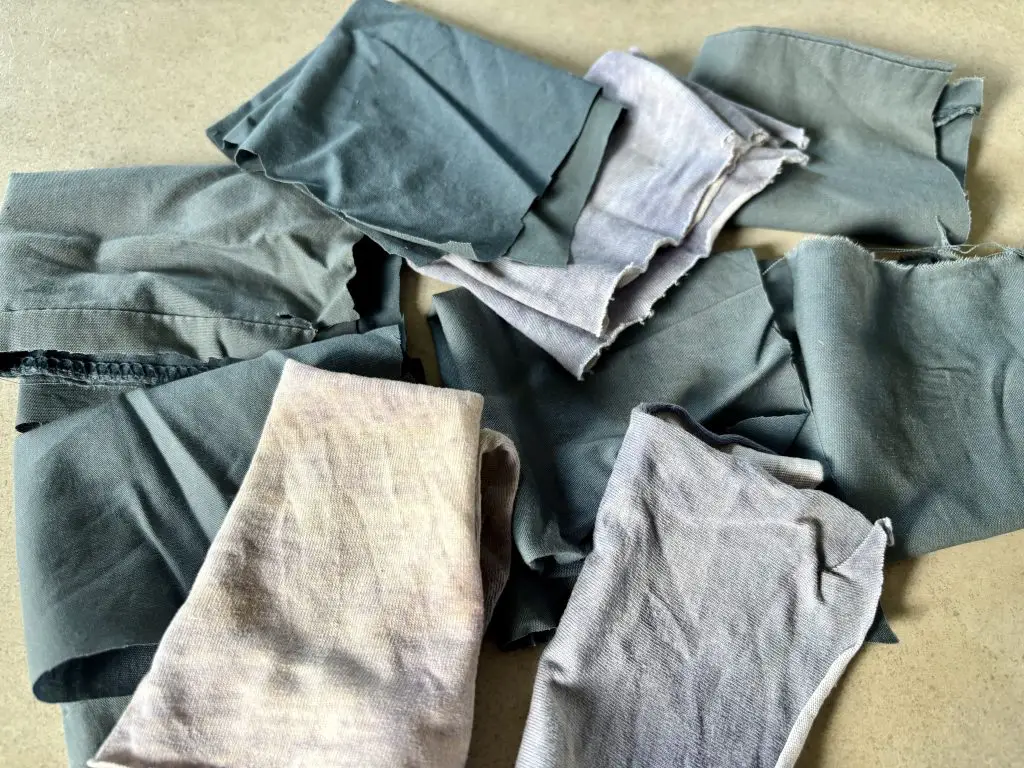
Instead of buying paper towels, I use cut-up old t-shirts and pillowcases to use as cleaning rags.
They live under the sink and get used for spills, greasy dishes, and general cleaning. I rinse them out with hot water, then they go straight into the wash and get reused as many times as they’ll last.
Eventually, they hold too much grease and will end up in the bin, but since the old t-shirts were destined for the bin anyway, nothing is lost.
This alone removed a constant repurchase item from my grocery list, plus it reduces the amount of paper products being made from virgin forests.
5. Baking Paper (butter wrapper alternative)
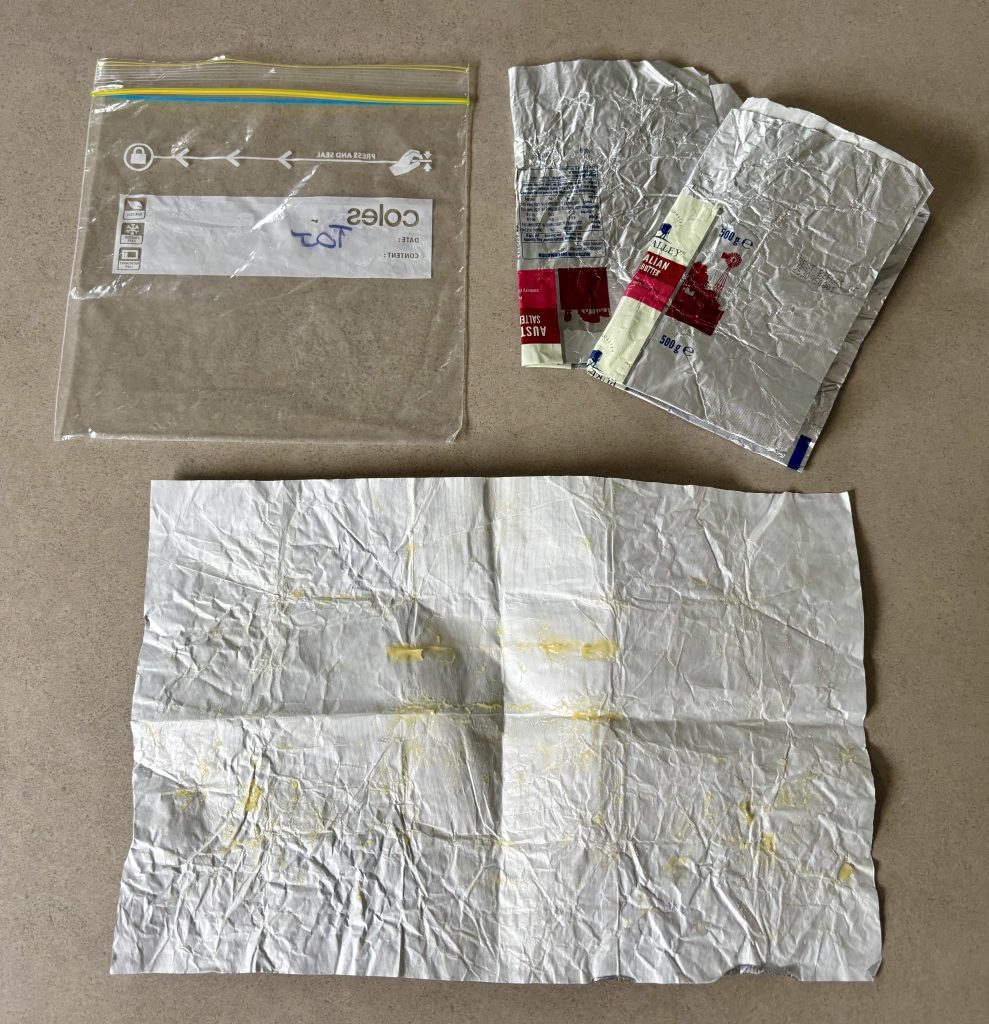
I no longer buy baking paper. Instead, I reuse butter wrappers, which already have a natural non-stick coating.
I fold them up and store them in a Ziploc bag in the fridge so the leftover butter on the wrappers doesn’t go off.
It takes up almost no space and completely removes baking paper from my shopping list.
6. Shopping Bags
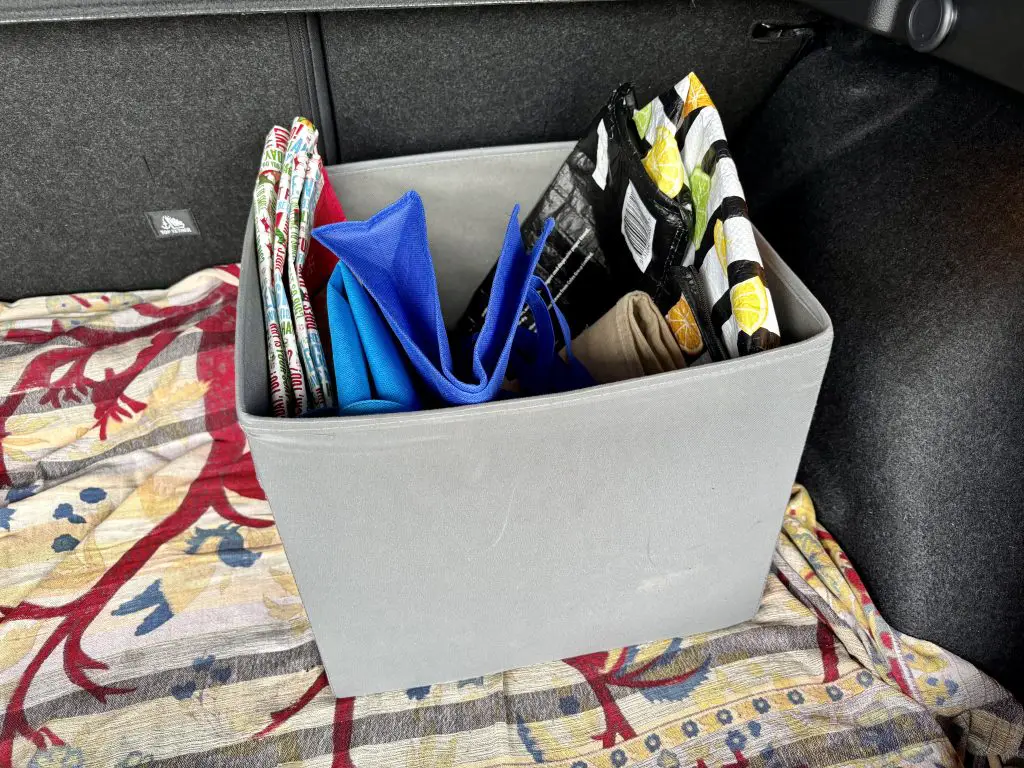
I stopped buying shopping bags years ago when it was still completely wacky to do so. I always carried a spare fabric shopping bag in my handbag when I knew I’d be buying stuff.
These days, I keep a fabric box full of reusable bags in the boot of the car so they’re always on hand.
It’s a simple habit that removes another item from my weekly shop, especially when you get to the checkout and realise you’ve got nothing to pack your shopping into!
7. Disposable Kitchen Cloths

I switched from disposable cloths to reusable Norwex kitchen cloths over a decade ago and have been a convert ever since.
Over the years, I’ve built a stack of reusable microfibre cloths, which live in a kitchen drawer, so that I can rotate through being in use, washing, and drying.
This removes another ongoing consumable from my shopping list – plus throw-away dishcloths get so smelly!
| 🌿 READ: My Top 10 Norwex Items → |
8. Air Fresheners (DIY essential oil spray)
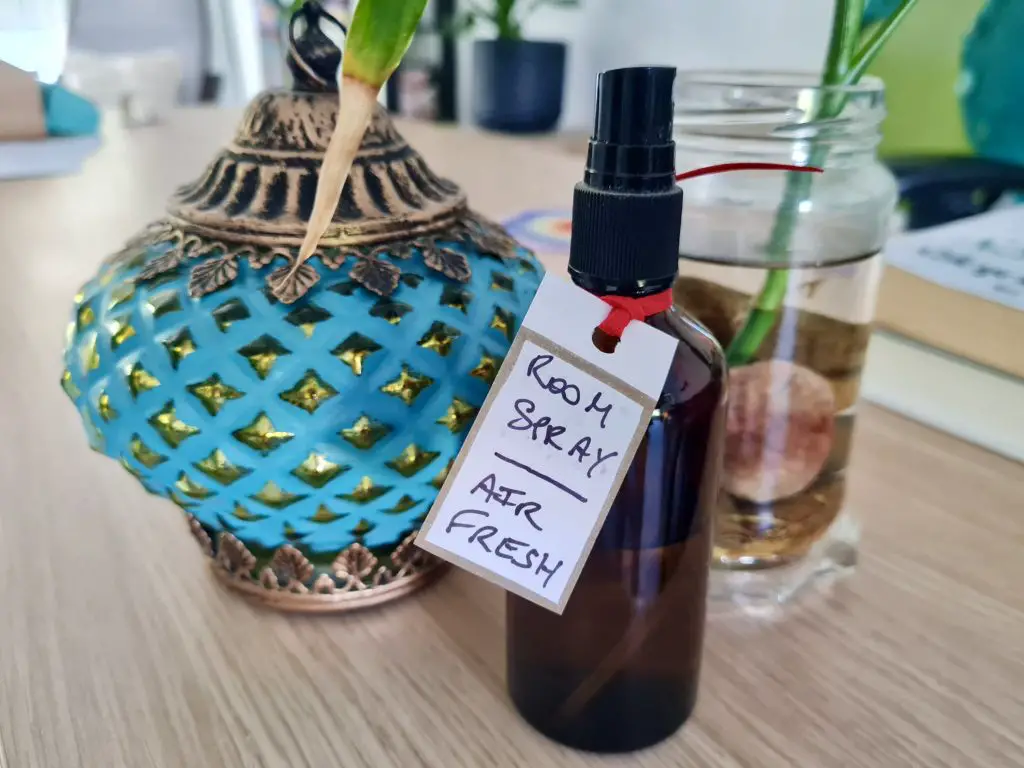
I no longer add air fresheners or room sprays to my shopping list.
Instead, I make a simple spray using peppermint essential oil (you can use whatever scent you like).
Perfect for bathrooms and toilets!
DIY Room Spray:
- Add 40 drops of essential oil to a small amber spray bottle
- Top off the bottle with water
This DIY air freshener is low tox, smells beautiful and removes another recurring purchase from the grocery list.
9. Cotton Tips (cotton buds)
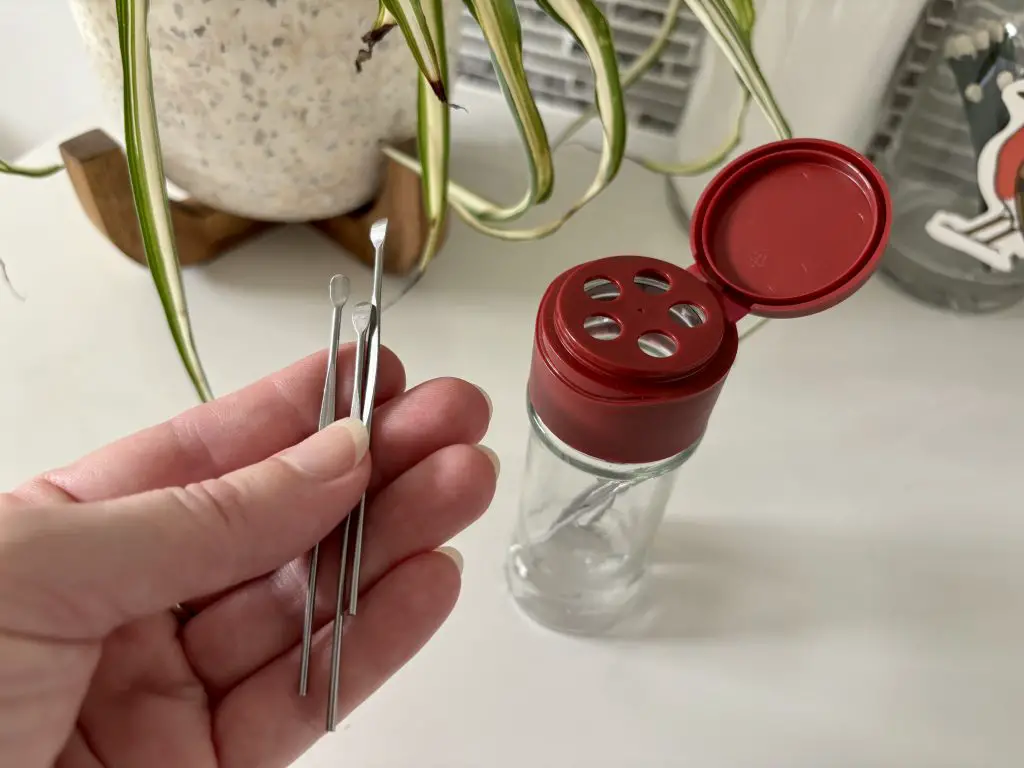
I stopped buying cotton tips in my grocery shop and switched to stainless steel ear picks (found on eBay).
They’re reusable, easy to clean in a bit of soapy water (I just rinse under the tap and throw them into the dishes pile), and will last forever.
Even the kids now have their own set stored in an old spice jar in the bathroom.
10. Makeup Wipes
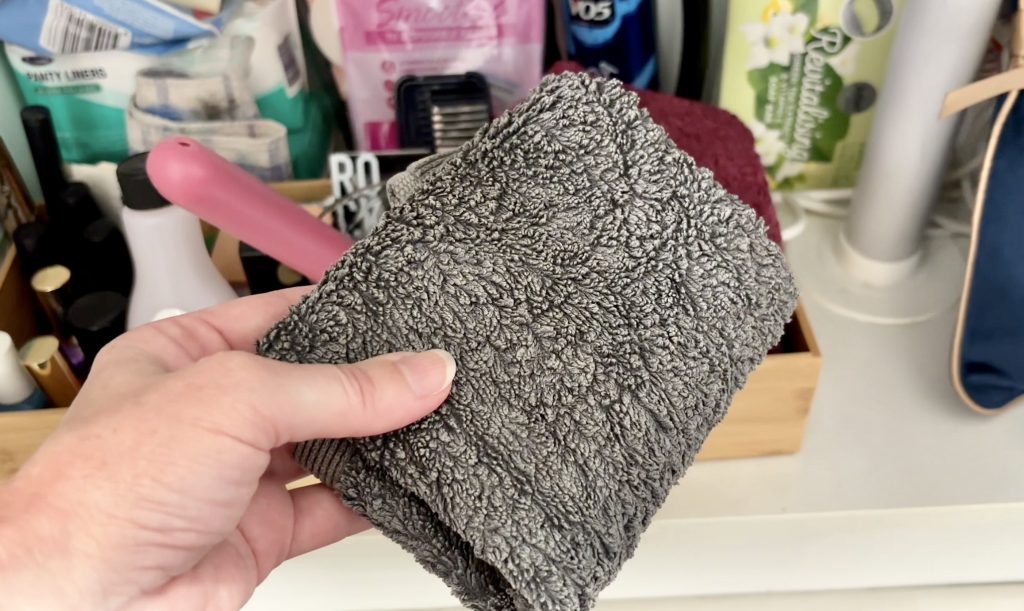
I no longer add makeup wipes to the shopping list. Instead, I use a face cleaner and a simple face washer.
This removes a recurring item from both my shopping list and my skincare routine.
11. Store-bought Deodorant (DIY version)

I stopped buying deodorant and started making my own well over a decade ago.
I was finding that the store-bought deodorant just made me stink even worse, and I hated smearing all of those chemicals on my skin.
Here’s the recipe I use and love, although when it comes to deodorant, we all have different preferences.
DIY deodorant ingredients:
- Bicarb soda
- Arrowroot
- Coconut oil
- Essential oils
It’s quick to make and removes another regular grocery item off my shopping list.
| 🌿 READ: How to Make DIY Deodorant → |
12. Plastic Pegs (stainless steel alternatives)

I switched from plastic pegs to stainless steel pegs and have never looked back.
My favourite metal pegs are made by Pincinox in France. They are constructed with one solid piece of 18/8 stainless steel, which eliminates rust, breakages, and deterioration.
They will literally last you a lifetime!
These pegs are a higher upfront cost (about $2.50 per peg), but it also eliminates plastic or wooden pegs from being a long-term shopping list item.
| 🌿 READ: Pincinox Pegs Review → |
13. Disposable Lint Rollers (reusable lint mitt)
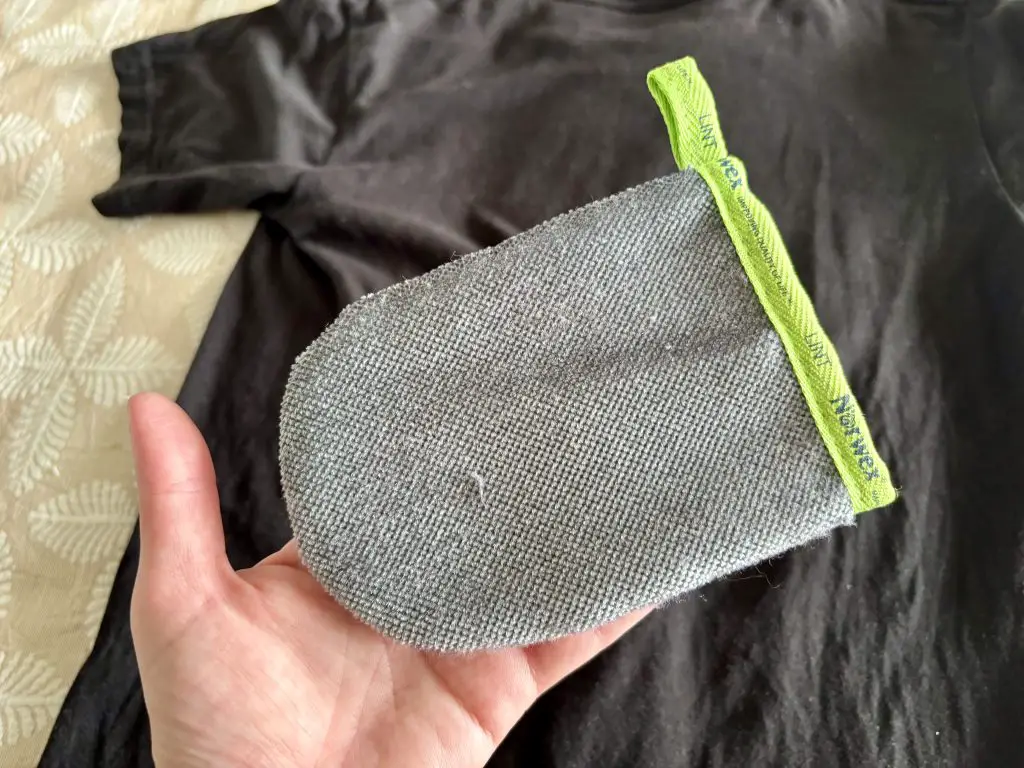
I never actually bought disposable lint rollers in my grocery shopping because I always had a reusable lint brush.
These days, I’ve got a Norwex reusable lint mitt, which is better than the brush I used to have.
It easily removes lint from clothing without needing constant replacement, saving me money and removing one more item from the shopping list.
14. Disposable Period Products (mostly)

99% of the time, I use period underwear instead of disposable menstrual products.
They’re comfortable, reusable, can easily be rinsed and go straight into the washing machine.
I still keep a small backup supply of organic cotton tampons, but they rarely make it onto my shopping list anymore.
| 🌿 READ: 5 Low-Waste Period Items → |
Benefits of Removed These From My Shopping List
The idea of cutting these items from my shopping list isn’t about restriction, it’s to be a more conscious consumer and not waste money and resources on unnecessary items.
Once I stopped automatically replacing these items, I realised how many were:
- Disposable
- Wasteful
- Unnecessary
- Easily replaced with reusable alternatives
Now my shopping list is:
👉 Shorter
👉 Cheaper
👉 More intentional
👉 Less wasteful
And saving money on groceries has become something that happens naturally, not something I have to constantly think about.
Frequently Asked Questions
Disposable items like paper towels, cling wrap, bottled water, and cleaning wipes are often the easiest to replace with reusable alternatives.
Yes. Over time, removing recurring consumable items reduces weekly spending without changing your food budget. It’s an easy win!
Reusable cloths, containers, refillable bottles, and simple DIY alternatives are the most common swaps.
Final thoughts
When it comes to cutting things off the grocery list and replacing them with alternatives, you don’t need to overhaul everything at once.
Start with one swap, then when you can, figure out the next alternative you want to target and move on to that.
Even removing a few recurring items from your shopping list can simplify your home, reduce waste, and quietly lower your weekly spending over time.
It’s less about what you cut out and more about what you stop automatically rebuying.
| 🌿 READ NEXT: 51 Things To Stop Buying When Going Minimalist → |
Pin It