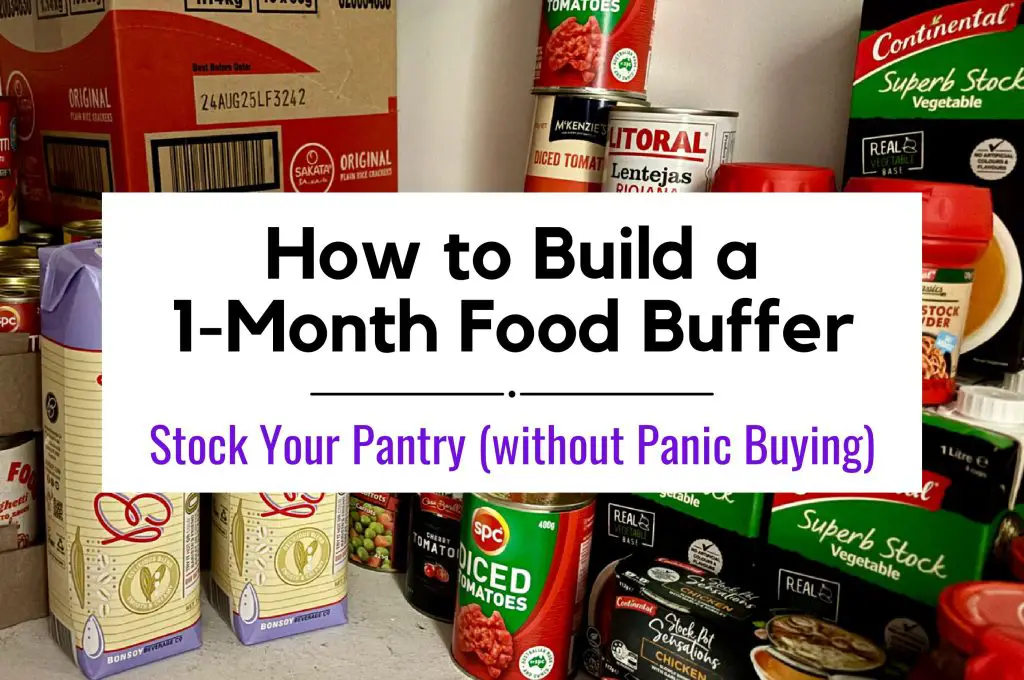
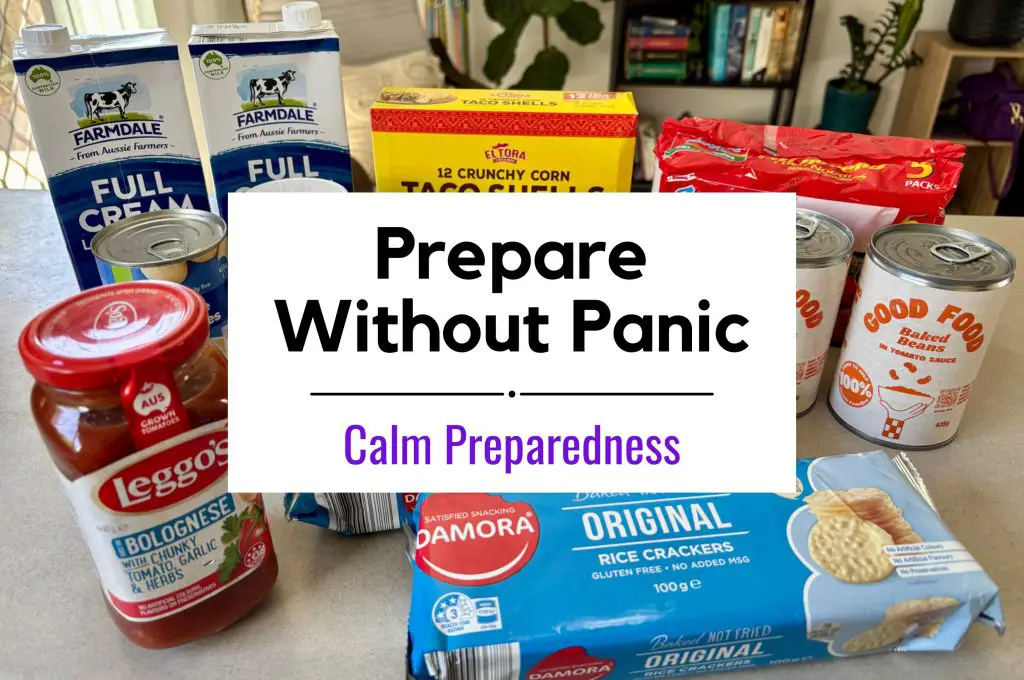
If you’ve been searching for how to prepare without panic buying or how to stay calm during uncertain times, this is a simple framework you can use.
Because a lot of people are finding themselves in the same space right now – wanting to stay informed about what’s happening in the world, without slipping into fear or overreaction.
You don’t want to ignore reality, but you also don’t want to live in a constant state of anxiety or preparation mode.
So the question becomes:
How do you prepare in a way that feels grounded, practical, and calm – without panic buying or fear-driven decisions?
That’s where calm preparedness comes in.
Watch: What Are We Actually Preparing For?
Join me in the video below as I chat about the four phases that usually play out during times of uncertainty. 👇
What Calm Preparedness Actually Means
Calm preparedness isn’t about predicting the future or expecting the worst.
At its core, it’s based on a simple idea:
Preparedness isn’t about predicting what will happen – it’s about reducing the stress of uncertainty in your present life.
Life doesn’t need to collapse for things to feel less predictable. Small shifts in prices, availability, or systems can already create pressure in everyday living.
So instead of reacting emotionally when things feel uncertain, calm preparedness is about:
- Creating small buffers in your home & life
- Reducing last-minute dependence on external systems
- Staying flexible & adaptable
- And continuing to live normally, without fear driving decisions
Calm preparedness is not extreme. It’s not obsessive. It’s just intentional planning, creating stability over time.

Simple 4-Phase Framework for Understanding Uncertainty
When we look at how systems and everyday life tend to respond under pressure, there are some common patterns that show up over time.
This isn’t a prediction or timeline, it’s a way of understanding change so you can respond calmly instead of reactively.
Phase 1: Background Tension
Where things look normal on the surface, but there’s a growing sense of uncertainty underneath.
Phase one is where most people are most of the time during uncertain events (for example, if a global conflict kicks off or there’s a blow to the financial system).
On the surface, everything looks normal:
👉 Shops are stocked
👉 Services are still running
👉 Routines are continuing
But underneath that normality, there’s a background layer of global or economic pressure.
You might notice:
- Small changes in prices over time
- More awareness of global instability or headlines
- A quiet feeling of wanting to be a bit more prepared
At this stage, nothing urgent is happening.
But it’s actually the best time for calm preparedness, because you can make small, grounded decisions without pressure. Time is on your side, so it’s manageable to grab a few extra things each week in the grocery shop.
Phase 2: Supply Strain & Behaviour Shifts
When availability becomes less predictable & people start adjusting how they shop.
During phase two, the systems are still functioning, but they become less consistent.
Instead of steady availability, you start to see:
- Occasional gaps in certain products
- Fluctuations in pricing on everyday essentials
- Differences in availability depending on timing or location
The key shift here is not shortage – it’s inconsistency.
And inconsistency changes behaviour.

People begin to:
- Buy slightly ahead when they can
- Adjust brands or routines
- Plan shopping more intentionally
Life is still normal, but it requires a bit more awareness and flexibility.
Phase 3: Managed Shortages
When systems respond by managing supply and prioritising essentials over convenience.
If pressure continues, systems and governing bodies typically respond, not with collapse, but with structure so that people’s basic needs can still be met.
You might see:
- Purchase limits on certain high-demand items
- Reduced variety in stores
- Prioritisation of essential goods over convenience or excess choice
The goal here is stability, not abundance.

From a daily life perspective, this means:
- More planning ahead
- Simpler decisions
- Less convenience & more intention
At this stage, calm preparedness becomes very practical.
Even a small buffer at home can reduce stress significantly, because you’re not relying on everything being immediately available.
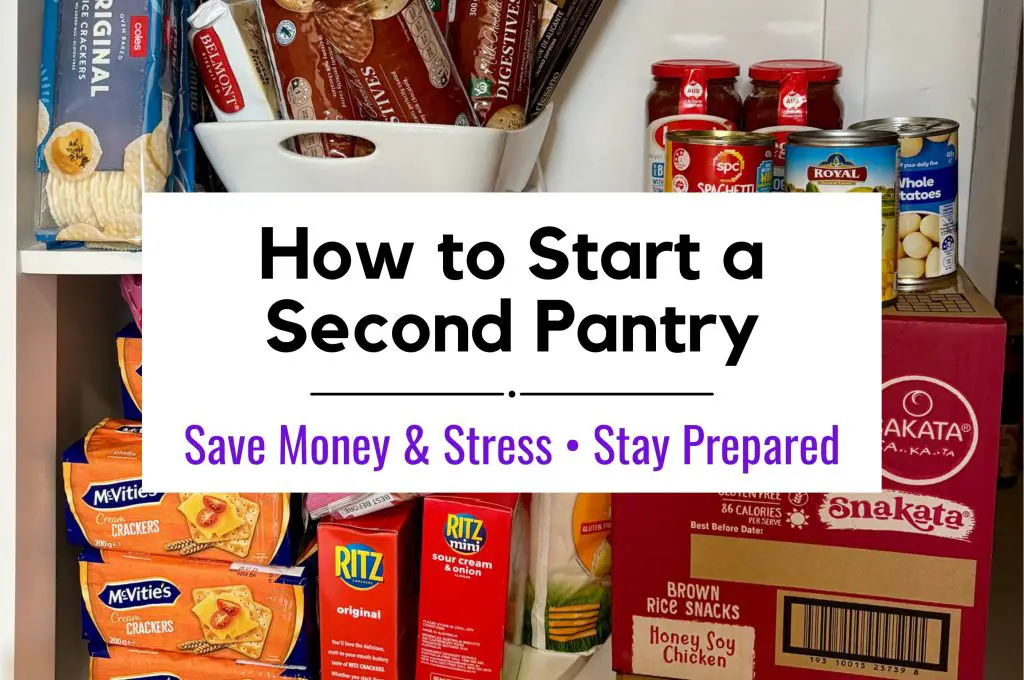
| 🌿 READ: How to Start a Second Pantry → |
Phase 4: Stabilisation & Adaptation
When people & systems adjust, a new normal gradually forms.
Over time, systems and people adapt to new ways of living, even during the toughest times.
🌿 New supply routes form
🌿 People’s habits shift
🌿 Expectations change
Humans are highly adaptable creatures, so what once felt uncertain soon becomes more familiar.
Life often becomes:
- More local & resource-aware
- More focused on essentials rather than excess
- Simpler in structure, but still fully functional
The fourth phase isn’t about collapse, it’s about flexibility. And it’s through this adaptation that new cultural phases and even entire empires are born.
One of the most consistent patterns in human societies is this:
People adjust. Life continues. Systems evolve.
So What Are We Actually Preparing For?

When you remove extremes and fear-based thinking, most real-world preparedness comes down to a few practical realities.
External circumstances worth preparing for:
- Rising cost of living over time
- Fluctuations in availability of certain goods
- Supply chain disruptions (or delays)
- Changes in income stability or employment conditions
- Unexpected illness or injury
All of these possible scenarios benefit from a pinch of foresight and building buffers (e.g. extra food and emergency savings).
That way, should something unexpected happen, you’ll be more likely to weather the storm because you’ve bought yourself time instead of panic.
What Calm Preparedness Looks Like in Real Life
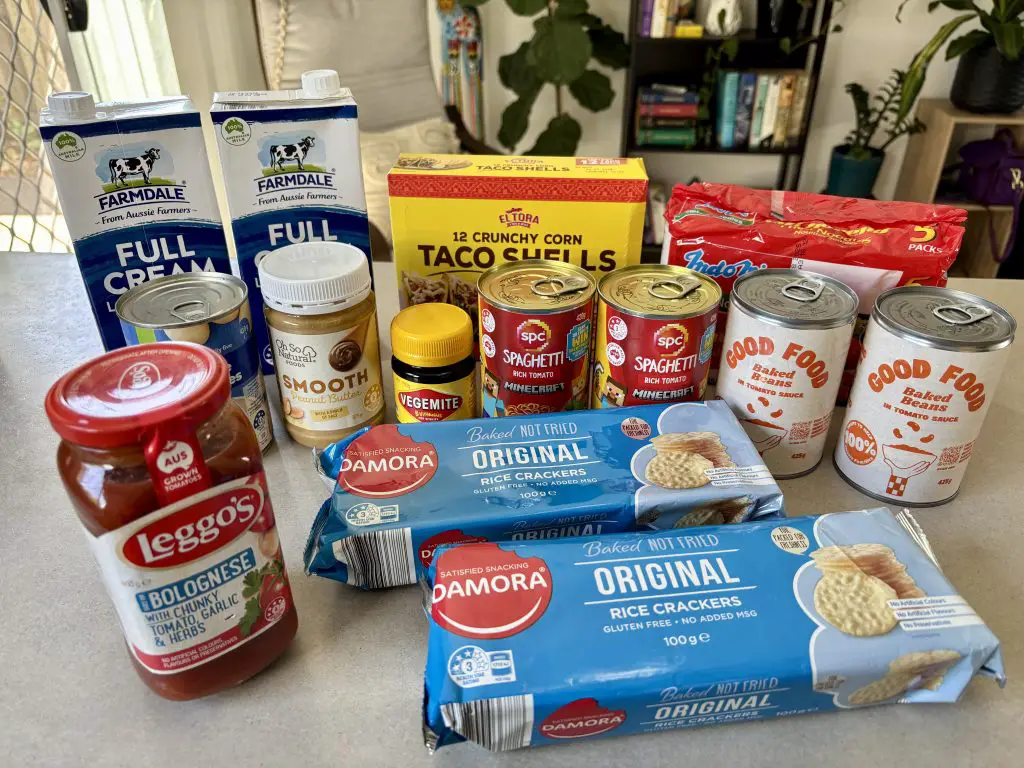
In practical terms, calm preparedness usually comes down to three simple things.
1. A small buffer of essentials
Not stockpiling – just enough to reduce pressure if things are temporarily less convenient.
2. Less dependence on last-minute systems
So you’re not constantly reacting when things change – you have time up your sleeve.
3. Financial and mental breathing room, where possible
So uncertainty doesn’t immediately translate into stress – this means emergency savings and low or no debt.
Adopting a simple, prepared lifestyle is less about control and more about reducing reactivity if or when life throws you a curveball.
Final Thought
Calm preparedness is really just a mindset shift from “That’s not today’s problem” to “I’ve got plenty of buffers in place should something happen.”
This puts you in a position of being able to tackle problems from a level-headed place instead of reacting to uncertainty with fear.
“I can’t control everything, but I can make my day-to-day life more stable and less reactive.”
And from there, everything changes.
👉 You don’t need to panic-buy.
👉 You don’t need to obsess.
👉 You don’t need to overthink every headline.
You can simply stay aware, stay steady, and keep living your life with calm, practical preparedness in the background.
Pin It