
In a world where we’re constantly encouraged to upgrade, replace, and buy more, choosing to buy second-hand is one of the simplest ways to step off the treadmill.
For me, op shopping isn’t about deprivation or going without — it’s about being intentional. It helps me spend less, waste less, and surround myself with things that actually matter to me.
If you’re trying to live more frugally, more sustainably, or just more thoughtfully, here are ten smart reasons to consider buying second-hand first.
Watch: 10 Reasons I Love Op Shopping
Prefer to watch?
Press play below and join me as I chat about my favourite reasons for op shopping. 👇
1. Second-Hand Items Make Your Home More Personal
One of the biggest benefits of buying second-hand is that you end up with things that don’t look like they came straight out of a catalogue.
You’re not seeing the same décor, the same plates, or the same furniture that everyone else picked up last weekend from Kmart.
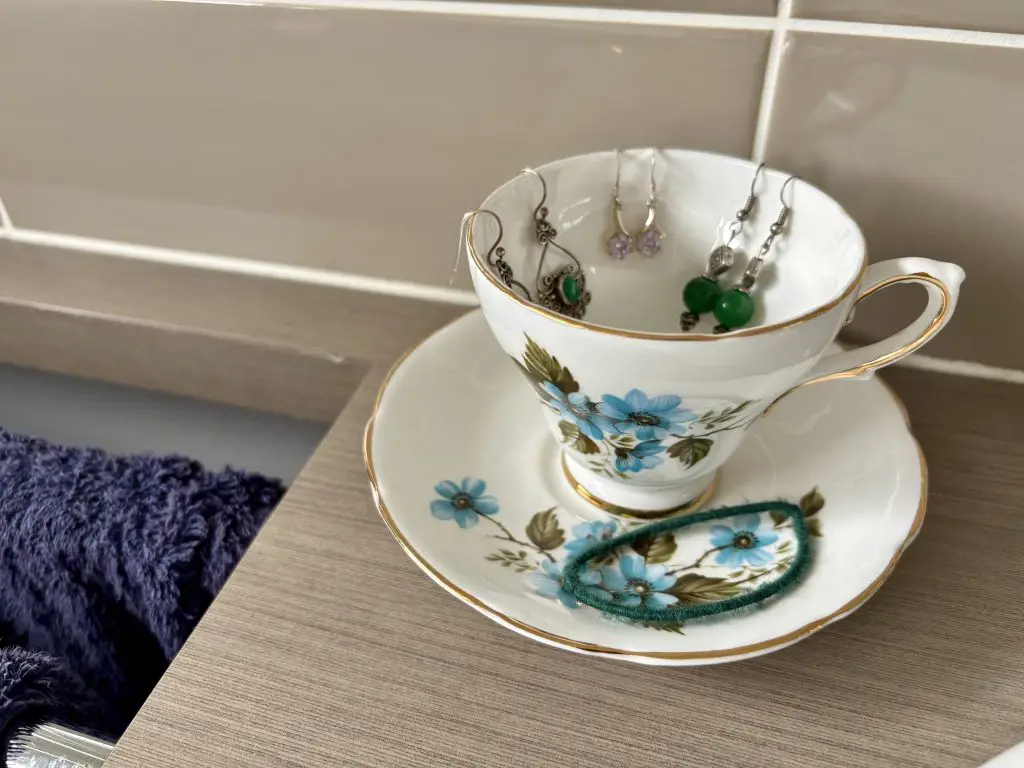
Instead, you find pieces that feel individual and meaningful — even if you don’t know their history, they gain one the moment you bring them home.
A small tea set I bought for a few dollars now lives in my bathroom holding jewellery and bits and pieces. It wasn’t meant for that, but that’s the beauty of second-hand finds — they evolve with you.

2. Buying Used Is One of the Easiest Ways to Live More Sustainably
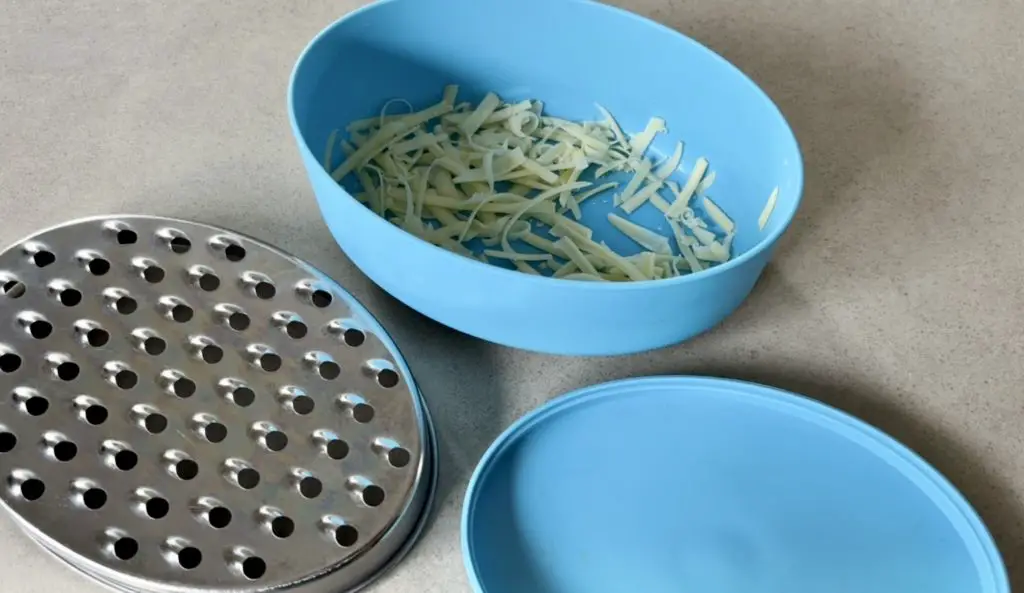
When you buy second-hand, the item already exists. The materials have already been mined, processed, manufactured, and shipped. The environmental cost has already been paid.
Choosing pre-loved simply extends the life of something that’s already in circulation, rather than placing more demand on resources to create more and more new stuff.
You don’t need to be perfectly zero-waste for this to make a difference.
Even occasional second-hand purchases:
- Reduce demand for new manufacturing
- Keep usable items out of landfill
- Cut down packaging waste
- Lower your consumption footprint
Sometimes sustainability isn’t about doing something new — it’s about using what’s already there.
| 🌿 READ: Low-Waste Kitchen Tips → |
3. Second-Hand Shopping Is Usually Much Cheaper Than Buying New

Living frugally isn’t about going without. It’s about spending intentionally.
Second-hand shopping makes that easier because you can often get:
- Better materials
- Higher quality construction
- Well-known brands
- For fraction of retail price
I’ve picked up beautiful plates from brands like Royal Doulton and Maxwell & Williams for about a dollar each — cheaper than buying brand new budget plates, but far nicer to use every day.
When you realise quality doesn’t have to cost more, your whole approach to spending shifts.
4. It Turns Shopping Into a Treasure Hunt Instead of a Transaction

There’s something genuinely fun about buying second-hand, particularly op shopping.
It feels like going from one giant trash and treasure stall to the next!
You never quite know what you’ll find. Some days you leave empty-handed. Other days you stumble across something you didn’t even know you needed.
That unpredictability of op shopping:
- Keeps shopping interesting
- Removes the pressure to buy
- Encourages browsing without urgency
- Makes the process slower and more mindful
I once found a big container of tealight candles for a few dollars — far cheaper than buying new, and perfect for my regular bathtime rituals.
You won’t find that sort of random practicality in a perfectly curated retail display, which makes it all the more unique.
5. Many Op Shops Support Charities and Community Programs
Unlike buying from large corporations, second-hand stores often channel profits into something useful.
If you want to vote with your dollar and opt out of supporting mass consumerism, greed, profits, and never-ending ‘growth,’ op shops are a great way to achieve that on a personal level.
Depending on the shop, your purchase might help fund:
- Community programs
- Crisis services
- Food support initiatives
- Housing assistance
- Local outreach programs
It’s an important reminder that spending money doesn’t have to be purely transactional — sometimes it can help someone else at the same time.
6. Buying Second-Hand Keeps Useful Items Out of Landfill

Every second-hand purchase extends the life of an item and reduces the massive amounts of “stuff” that get thrown into landfill every single day.
Buying second-hand over new means:
- Fewer usable items thrown away
- Fewer new items needing to be produced
- Less waste entering landfill
- Less demand for short-lived products
Even something as simple as buying books second-hand can keep dozens of perfectly usable items circulating for years longer than they otherwise would.
It’s one of the easiest environmental wins available.
7. It Naturally Reduces Impulse Buying
Second-hand stores rarely have rows of identical items, unless they’re stocking a random bulk donation or the occasional new range of ‘giftware’ items.
There’s usually only one, which forces you to stop and be intentional about the purchase.
When you find a one-off item, you’ll be standing there pondering:
- Where will this go?
- Do I actually need it?
- Will I use it?
- Does it fit my space and lifestyle?
That moment of consideration often stops unnecessary purchases before they happen, instead of just grabbing an item off the shelf because there are 20 of them and “They’re only $2, so why not?”
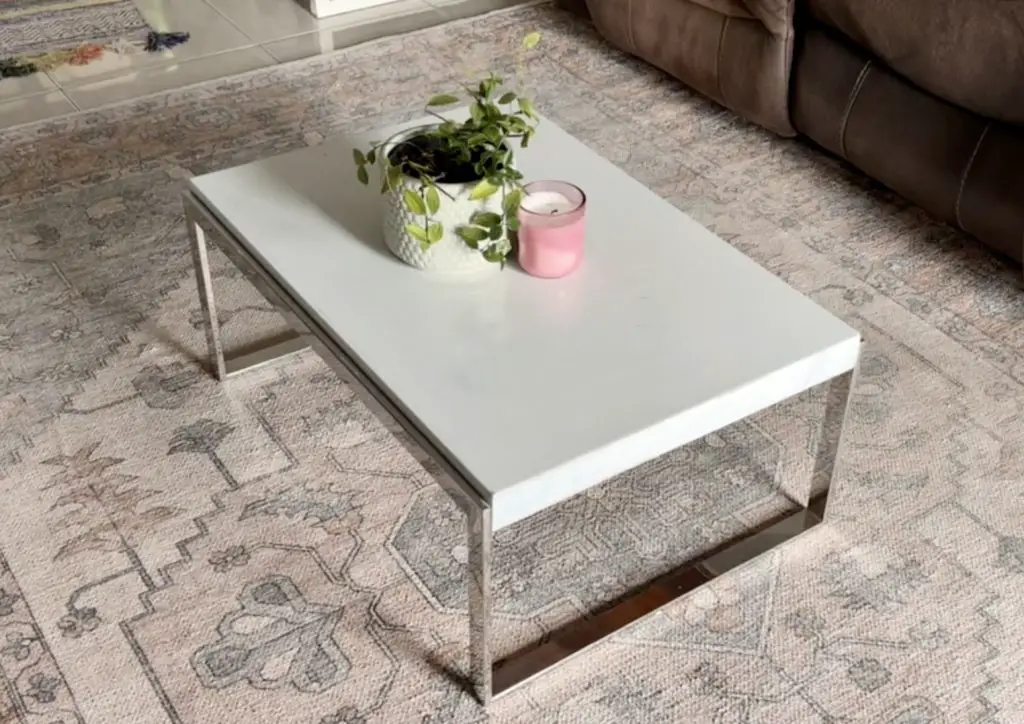
I bought my coffee table second-hand, but only after thinking carefully about whether I had space for it and how I’d use it. That kind of decision-making becomes a habit over time.
8. It Encourages More Intentional Shopping Habits Overall

Second-hand shopping has a way of reshaping how you think about buying things, instead of shopping as a hobby to either kill time or try to fill an inner emptiness.
Instead of shopping to fill a gap immediately, you learn to:
- Wait for the right item
- Prioritise usefulness over convenience
- Resist buying just to feel productive
- Accept that sometimes you’ll leave with nothing
Clothes are a great example. You might look ten times and find nothing, then suddenly find something, or multiple things, that are perfect!
The act of being intentional, waiting for the right thing, then finding it when the time is right, is so much more satisfying than buying off a department store shelf.
Intentional shopping often means being patient enough to wait for what you actually want.
9. Older Items Are Often Better Quality Than Modern Ones
Mass production has drastically changed the sheer number of products that are being made. This includes how quickly they can be pumped out, which results in inferior quality.
A lot of modern items are intentionally designed to only last a season or two — just long enough to be used, then quickly replaced.
But many older items were built differently.
Thicker materials. Stronger construction. Repairable parts.
If something has already lasted years and is still usable, that’s often a good sign of durability. And if you buy something second-hand that doesn’t last too long, at least you get to ensure its full lifespan is reached before it ends up in landfill.
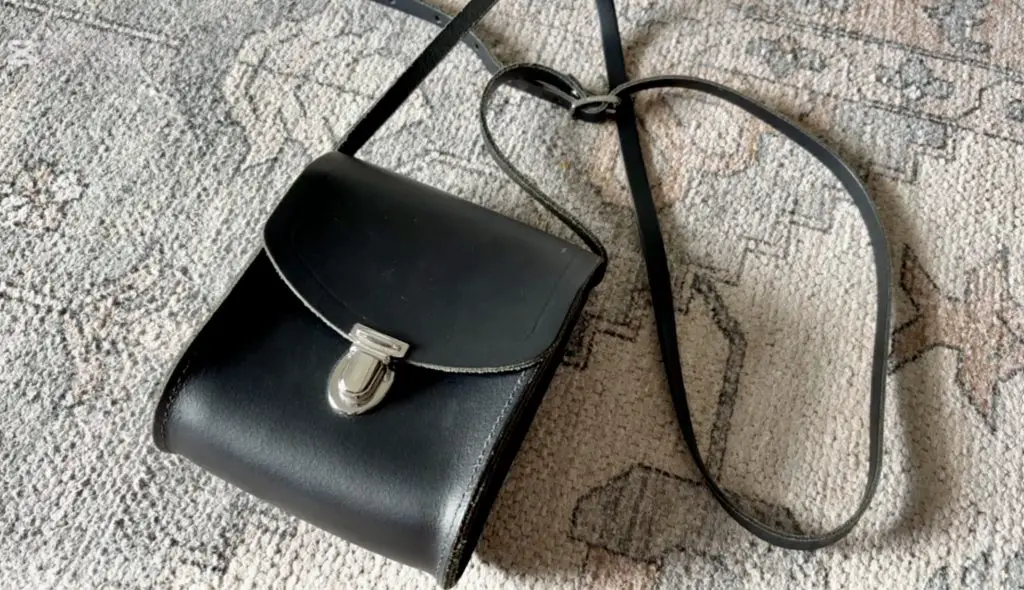
I once found a leather satchel from The Cambridge Satchel Company for under ten dollars. These handmade bags retail for hundreds of dollars brand new, and the quality difference compared to fast-fashion accessories is obvious the moment you pick one up.
Second-hand shopping lets you access that level of quality without the price tag.
10. It Slows You Down and Makes Shopping More Mindful

When you’re shopping second-hand, whether it’s op shopping or stopping at a garage sale, there’s…
✨ No one-click checkout.
✨ No flashing sales countdown.
✨ No pressure to fill your cart.
Pre-loved shopping is slower by nature.
It becomes something you can actually enjoy — a wander, a browse, a conversation.
For me, it’s something I sometimes do with my daughter. We’ll pack a lunch, wander around, chat about what we’ve found, and enjoy the day regardless of whether we buy anything.
That slower pace makes the whole experience feel less like consumption and more like participation.
Final Thoughts
Buying second-hand isn’t about being perfect or never buying new again. It’s simply about choosing a smarter option when one is available or keeping your eye out for things on your list for when they pop up.
Choosing second-hand helps you:
- Spend less
- Waste less
- Own better things
- Shop more intentionally
- Live more thoughtfully
And often, the smallest shifts in how we buy end up making the biggest difference over time. It creates a new habit that slowly integrates into how we live our lives.
More on Pre-Loved
Pin It