Staying hydrated with clean water shouldn’t cost a fortune or require a full filtration setup at home.
If you’re renting, on a budget, or just don’t want the hassle of replacing filters, you might be wondering: Is there a cheaper way to get reverse osmosis (RO) water?
There is — and it’s surprisingly simple.
I’ve been using a local water filling station to get clean, affordable RO water without any ongoing maintenance or expensive gear. In this post, I’ll break down exactly how it works, what it costs, and how to get started with minimal setup.
💡 This post may contain affiliate links (including eBay and Amazon Associates). If you buy through them, I may earn a small commission at no extra cost to you. I only recommend things I trust.
Watch: Cheapest & Easiest Way to Get Reverse Osmosis Water
Here’s how I find local, affordable RO water. 👇
Affordable Reverse Osmosis Water
Why I Use a Water Filling Station for RO Water
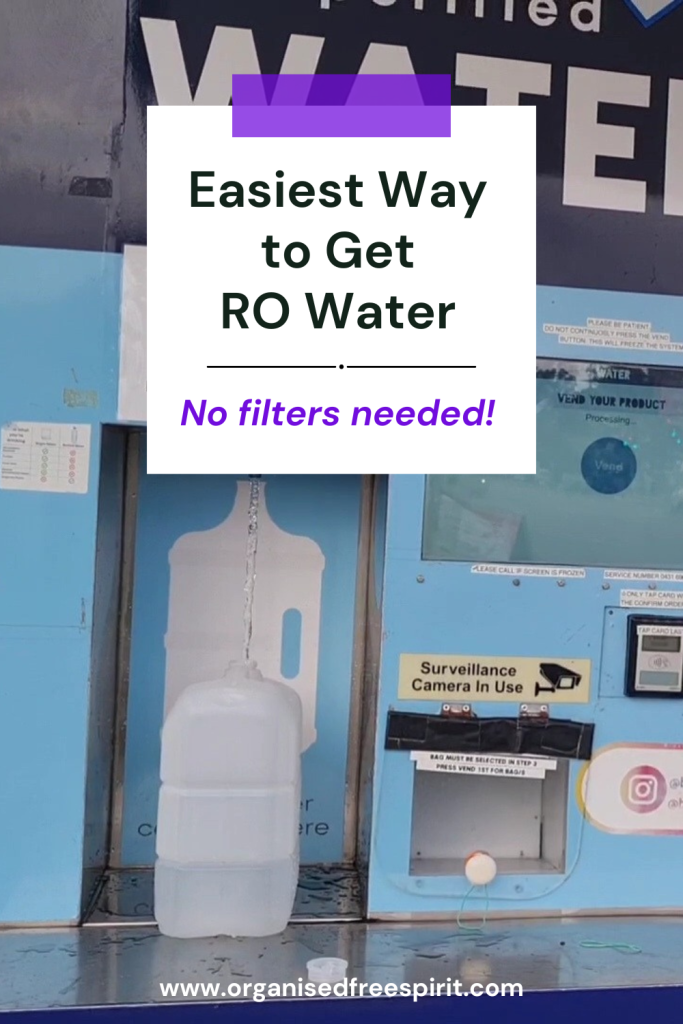
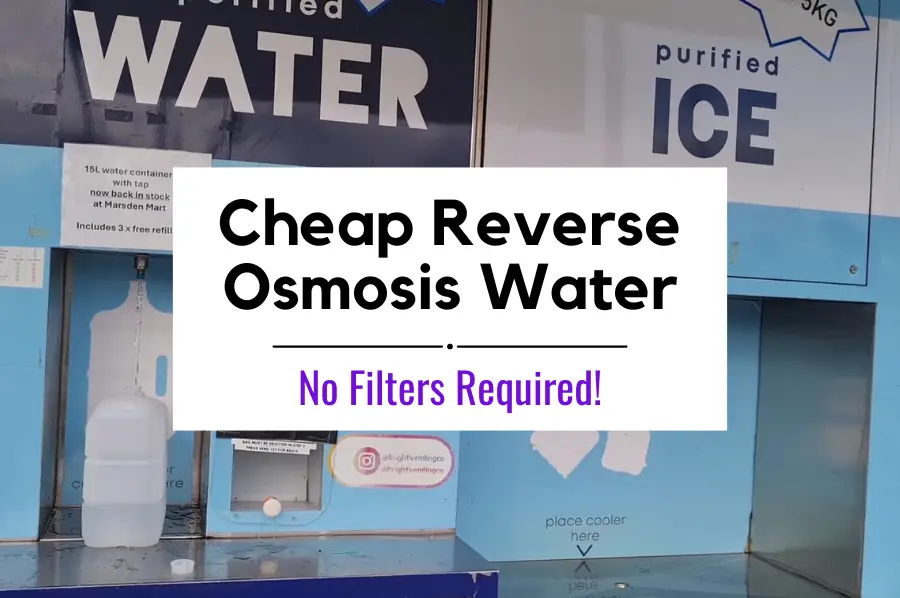
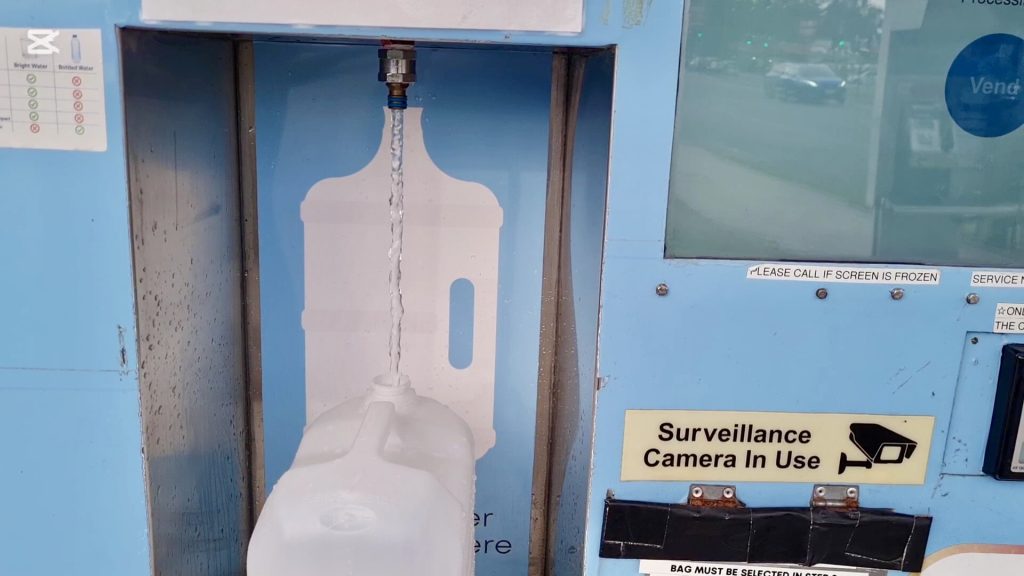
The cheapest way I’ve found to get RO water is by visiting a nearby water refill station.
At mine, it costs about $4.50 for 10 litres — just $0.45 per litre. I bring my own containers, refill them, and I’m good to go.
The process is completely self-serve. You just tap the screen, select how much water you want, and pay using your Eftpos card. No coins or cash needed.
I bought a couple of 10-litre water jugs from Aldi for about $4.70 each, and I’ve been reusing those for months.
What Reverse Osmosis Removes — The Good and the Bad
The reverse osmosis process is one of the most effective ways to filter water. It forces water through a semipermeable membrane, removing particles that are too large to pass through.
This is great news when it comes to contaminants, but it also strips away some minerals our bodies actually need. Here’s a breakdown:
🚫 Harmful Contaminants Removed by RO Water
RO systems are highly effective at removing:
- Chlorine – Commonly added to disinfect tap water, but can affect taste and long-term health
- Fluoride – Controversial additive; RO is one of the few methods that reliably removes it
- Lead – A toxic heavy metal often found in old pipes or plumbing systems
- Mercury – Dangerous even in small amounts; linked to neurological and developmental issues
- Arsenic – Naturally occurring in some water sources and highly toxic
- Nitrates and Nitrites – Found in agricultural runoff; potentially harmful to infants and pregnant women
- Pharmaceuticals and Hormones – Trace amounts from medication that enter the water supply
- Microplastics – Increasingly common and difficult to remove with standard filters
- Bacteria and Viruses – While not all RO systems are rated for microbiological purification, many do remove a large percentage
- Pesticides and Herbicides – Runoff from industrial agriculture often ends up in water sources

✅ Beneficial Minerals Also Removed by RO Water
Unfortunately, the same process that removes the bad stuff also takes out naturally occurring, essential minerals, including:
- Calcium – Important for bone health, muscle function, and nerve signaling
- Magnesium – Crucial for muscle and nerve function, as well as energy production
- Potassium – Helps regulate blood pressure and fluid balance
- Sodium – Needed in small amounts for fluid balance and nerve function
- Iron – Essential for oxygen transport in the blood
- Zinc – Supports immunity and wound healing
- Copper – Plays a role in cardiovascular health and iron absorption
Why This Matters
These minerals, though present in small amounts in tap water, contribute to your daily nutritional intake, especially if you’re already eating a lower-mineral diet or drinking large volumes of water.
That’s why remineralising RO water is critical if you’re using it as your main drinking source. You’re not just removing contaminants, you’re also removing things your body relies on.
How to Remineralise RO Water (Simply & Safely)
Once you understand that reverse osmosis strips water of both harmful contaminants and beneficial minerals, the next step is to add back what your body needs.
Thankfully, remineralising RO water at home is easy, affordable, and takes just a few seconds per jug.
Here are the best options — from the simplest to the most complete:
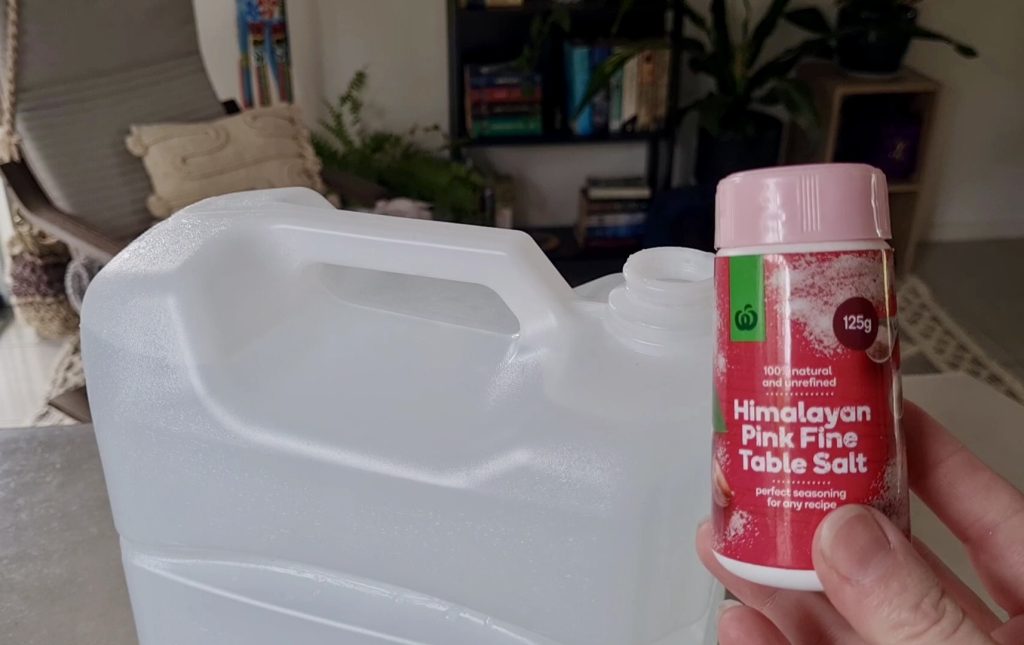
🧂 1. Add a Pinch of Himalayan Pink Salt (Budget-Friendly Option)
This is the easiest and cheapest method to start with.
Pink Himalayan salt contains small amounts of minerals like calcium, magnesium, and potassium — enough to lightly remineralise your water without affecting the taste too much.
How to do it:
- Use 1/8 teaspoon (a small pinch) per 3–4 litres of water
- Stir or shake well until dissolved
- Taste should remain neutral or only very slightly salty
🔎 Note: This won’t replace all minerals, but it’s a good starter option for casual use.
💧 2. Use Liquid Trace Mineral Drops (Most Complete & Convenient)
Liquid mineral concentrates are specifically formulated to replace what’s lost during RO filtering.
These products usually contain a balanced blend of calcium, magnesium, potassium, zinc, selenium, and more — all in highly absorbable forms.
How to do it:
- Add 10–20 drops per litre, depending on the brand’s instructions
- Mix well and store as usual
- Brands like ConcenTrace®, Eidon, or Omica Organics are commonly used
✅ This method is ideal for daily drinkers of RO water, especially if you rely on it as your main hydration source.
🪨 3. Add a Mineral Cartridge or Mineral Stone Stick to Your Jug or Dispenser
If you use a water jug or countertop dispenser, you can drop in a mineral cartridge or stone stick that slowly releases trace minerals over time.
These are often made from natural mineral-rich rocks, ceramic, or coral calcium.
How to do it:
- Purchase a compatible stick or cartridge (e.g., Maifan stone, alkalizing stick, etc.)
- Rinse before first use
- Drop it into your water jug or tank
- Replace every 3–6 months depending on usage and manufacturer guidelines
📦 Great for people who want a set-and-forget option.
What to Store Your Water In
While plastic jugs work fine short term, glass or stainless steel is ideal if you’re storing the water at home for longer periods.
Plastic can leach into the water over time, especially if exposed to heat, so upgrading your storage is a smart move if you want to keep things as pure as possible.
How to Find a Refill Station Near You
To see what’s available in your area, just open Google Maps and search for:
- “Water refill station”
- “Water vending machine”
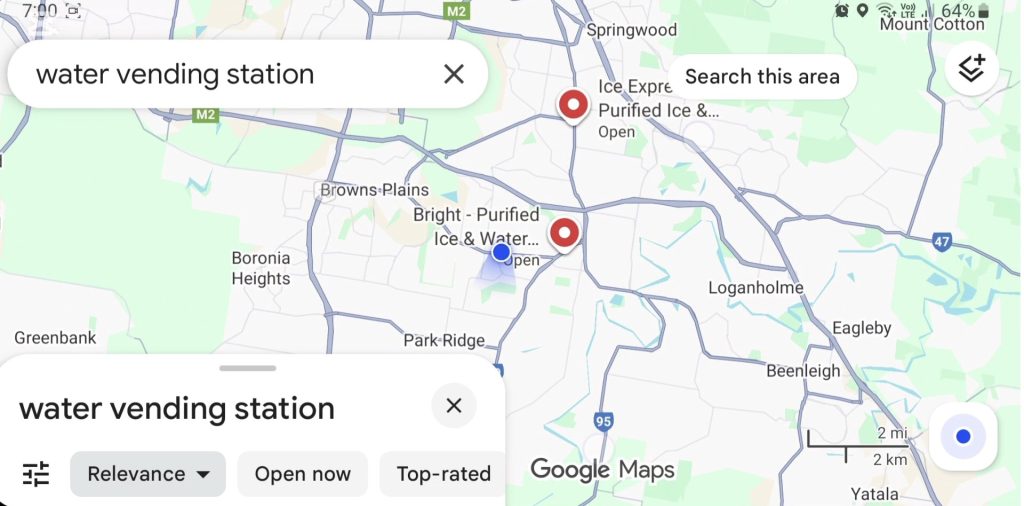
Look for businesses like Ice Express or Bright (in Australia), or even smaller local kiosks in shopping centre car parks.
Chances are, you’ve got one nearby without realising it.
Why Not Just Install an RO System at Home?
Home filtration systems are great, but they come with upfront costs and ongoing filter replacements. That adds up over time and can easily set you back hundreds of dollars per year.
If you’re renting or not ready to invest in a full setup, refill stations are a much cheaper and lower-commitment alternative.
You still get the benefits of RO water, without the maintenance.
Final Thoughts
You don’t need to spend hundreds (or thousands!) on a home filtration system to get access to clean drinking water.
Using a local water refill station is one of the cheapest and easiest ways to get reverse osmosis water, especially if you’re looking for a low-maintenance option.
Just remember to store it safely and remineralise it to keep your water both pure and beneficial.
More on Filtered Water
Pin It